
Fleet Diagnostic
FLEET DIAGNOSTICS IN Rancho Cucamonga, CA
CARB's Clean Truck Check is an OBD-based test, so a stored fault or an incomplete readiness monitor is what fails a vehicle, not visible smoke. Fleet Service Me reads that data for a living. This page covers what we test when a dash light appears: engine and driveline codes, wiring and grounds, sensor circuits, emissions monitors, and the report that follows. We have run fleet diagnostics in Rancho Cucamonga, CA for 30 years, and every job we perform is guaranteed.
A WARNING LIGHT IS A SYMPTOM, AND WE WANT THE CAUSE.
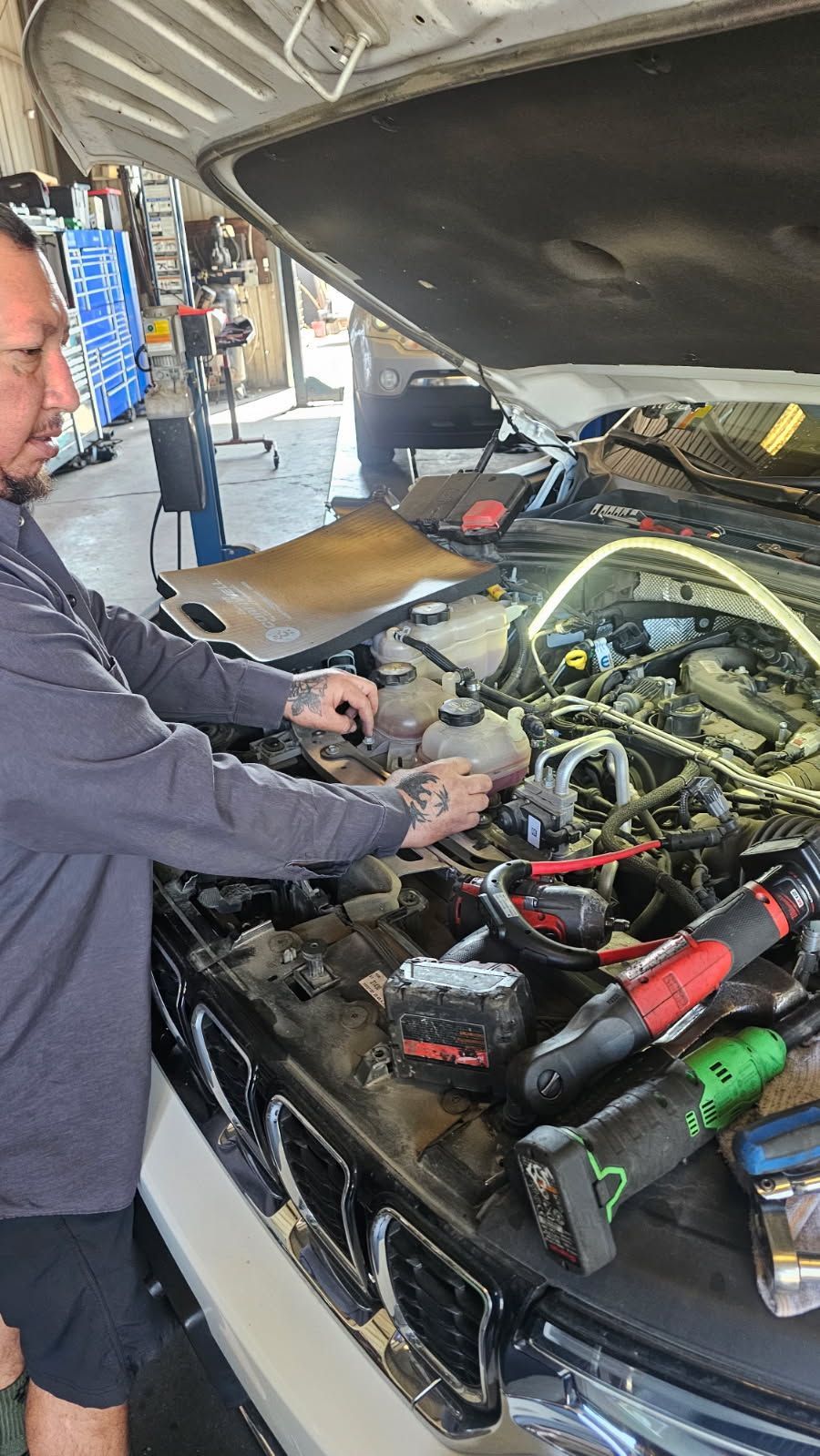
Most dash lights begin as an electrical event somewhere behind the panel, and the light itself says almost nothing about which part is at fault. We treat it as the opening question. Our job is to trace the circuit, load-test it, compare live data against what the manufacturer expects, and find the connector or component that is genuinely failing.
Guessing gets expensive quickly, because a van that comes back twice costs more in lost route time than the sensor ever did. We would rather spend the extra hour at the bench and be right the first time.
- Every module scanned, not just the engine computer
- Live data compared against manufacturer values
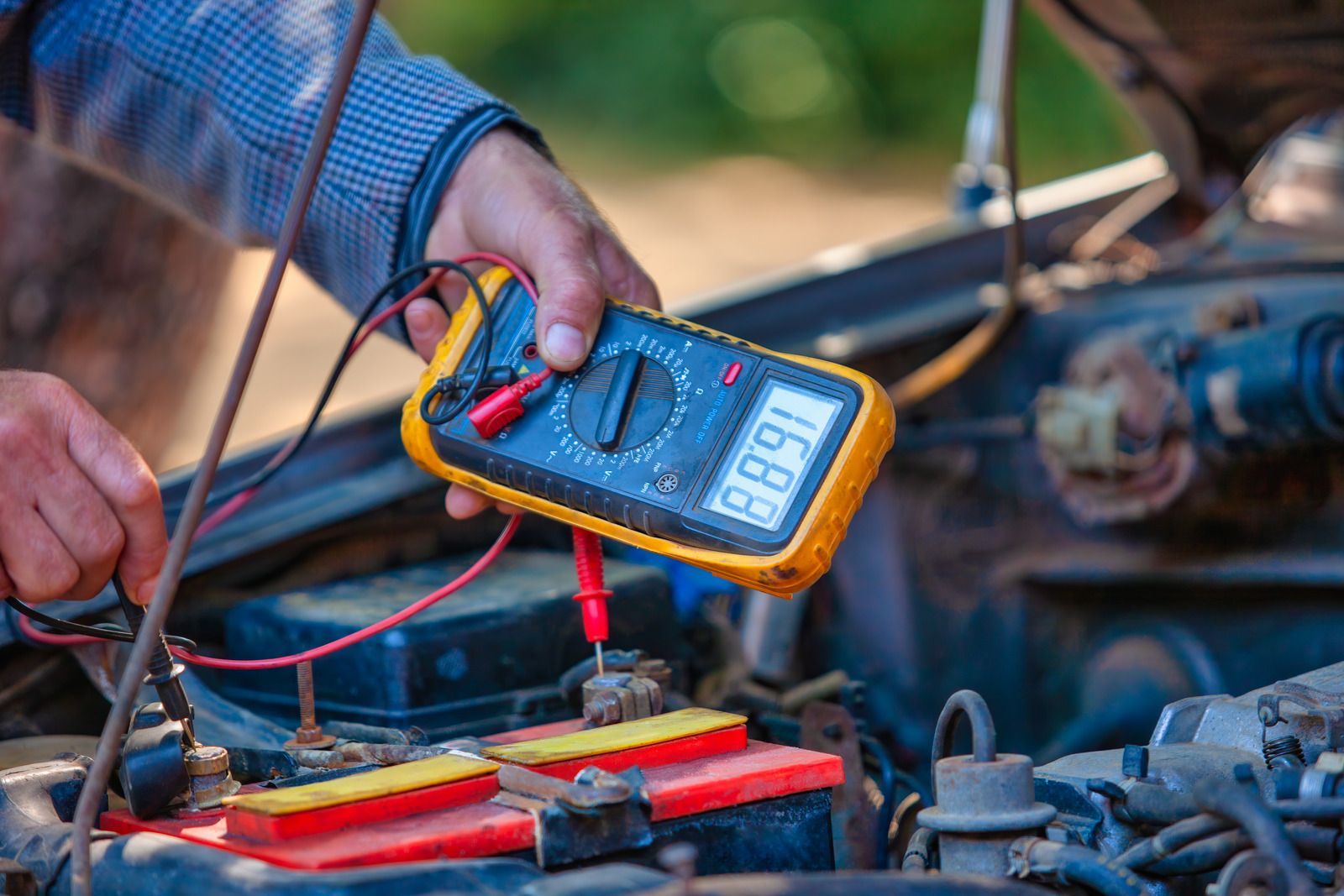
- Voltage-drop and ground testing on suspect circuits
- Findings recorded and kept in your service records
FLEET DIAGNOSTICS
MODERN VANS RUN ON SENSORS THAT ARGUE WITH EACH OTHER.
Sensors do not fail politely. A mass airflow reading that drifts low will make the fuel trims look rich, the oxygen sensor look lazy and the catalyst look tired, and three codes land at once on the scan tool. Our first decision is which of those readings is the cause and which are downstream noise. That decision is what saves parts, and it is what prevents the second visit.
DELIVERY FLEETS HERE FAIL IN WAYS A SCANNER ALONE MISSES.
Stop-and-go routes between Interstate 15 and Interstate 10 keep engines hot and trips short, so vans rarely reach the steady cruise that lets emissions monitors finish. Add warehouse dust, summer heat and connectors that vibrate loose on rough dock aprons, and you get faults that appear on the route and read perfectly clean in the bay. We chase those with wiggle tests, heat cycles and recorded road time.
A CODE IS A CLUE, NOT AN ANSWER.
Anyone can read a code. The skill is knowing which circuit that code watches, which connector on that model corrodes first, and which repair the code tempts a shop into making by mistake. We have worked on the same vans, the same delivery routes and the same failures long enough to shorten the search and get it right early. Have you paid to replace the same part twice this year?
WHY CHOOSE US FOR FLEET DIAGNOSTICS.
NO PARTS THROWN AT IT
Parts replaced on a hunch still get billed. We confirm the fault on the vehicle before anything is ordered, so you pay for the repair the van actually needed and nothing beyond it.
FOUND ON THE FIRST VISIT
Intermittent faults hide from a quick scan, so we recreate the conditions that trigger them. Catching a problem while it is happening is what keeps a van from returning next week with the same complaint.
SHORTER TIME OFF ROUTE
Time in the bay is time off the schedule. A diagnosis that lands correctly the first time means one hold on the vehicle instead of a repeat visit two weeks later.
SMALL FAULTS CAUGHT EARLY
Drifting sensor values and early warnings appear long before a breakdown does. Reading them during routine service turns a roadside failure into planned work you can put on your own calendar.
PLAIN ANSWERS YOU CAN ACT ON
Reports arrive in language a manager can use: what failed, what caused it, and what can safely wait. Urgent work and deferred work are separated so scheduling decisions stay simple.
CLEAN EMISSIONS RESULTS
Failed emissions checks usually trace back to a fault the computer recorded or a monitor that never completed. Repairing the underlying problem and running the drive cycle puts a vehicle back in passing condition.
WHAT WE TEST
OUR FLEET DIAGNOSTIC WORK
Diagnostic work covers more ground than a scan tool reaches. Here is what we test when a vehicle arrives with a light on, a complaint from a driver, or a failed check that nobody can explain.
SCAN
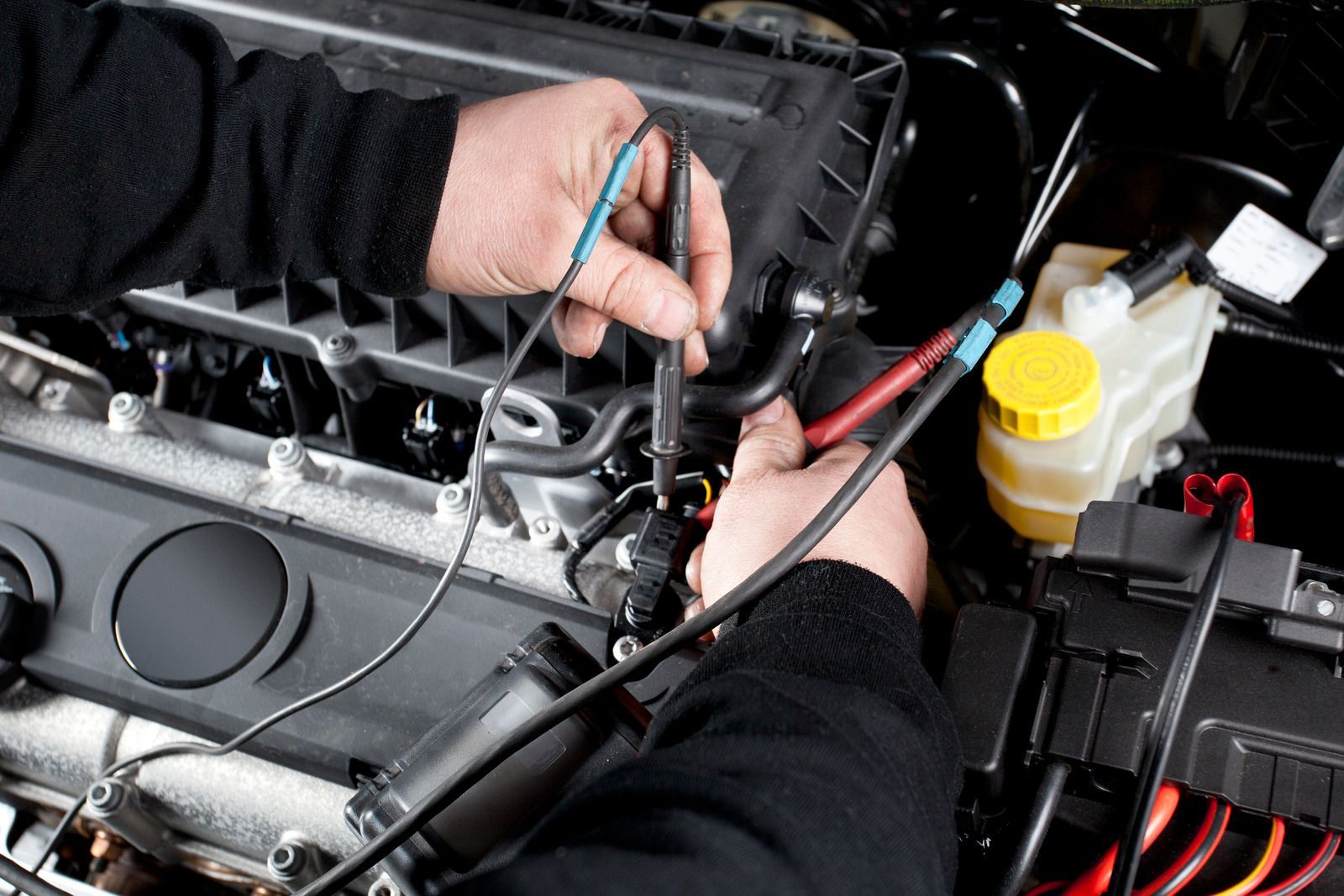
Engine Diagnostics
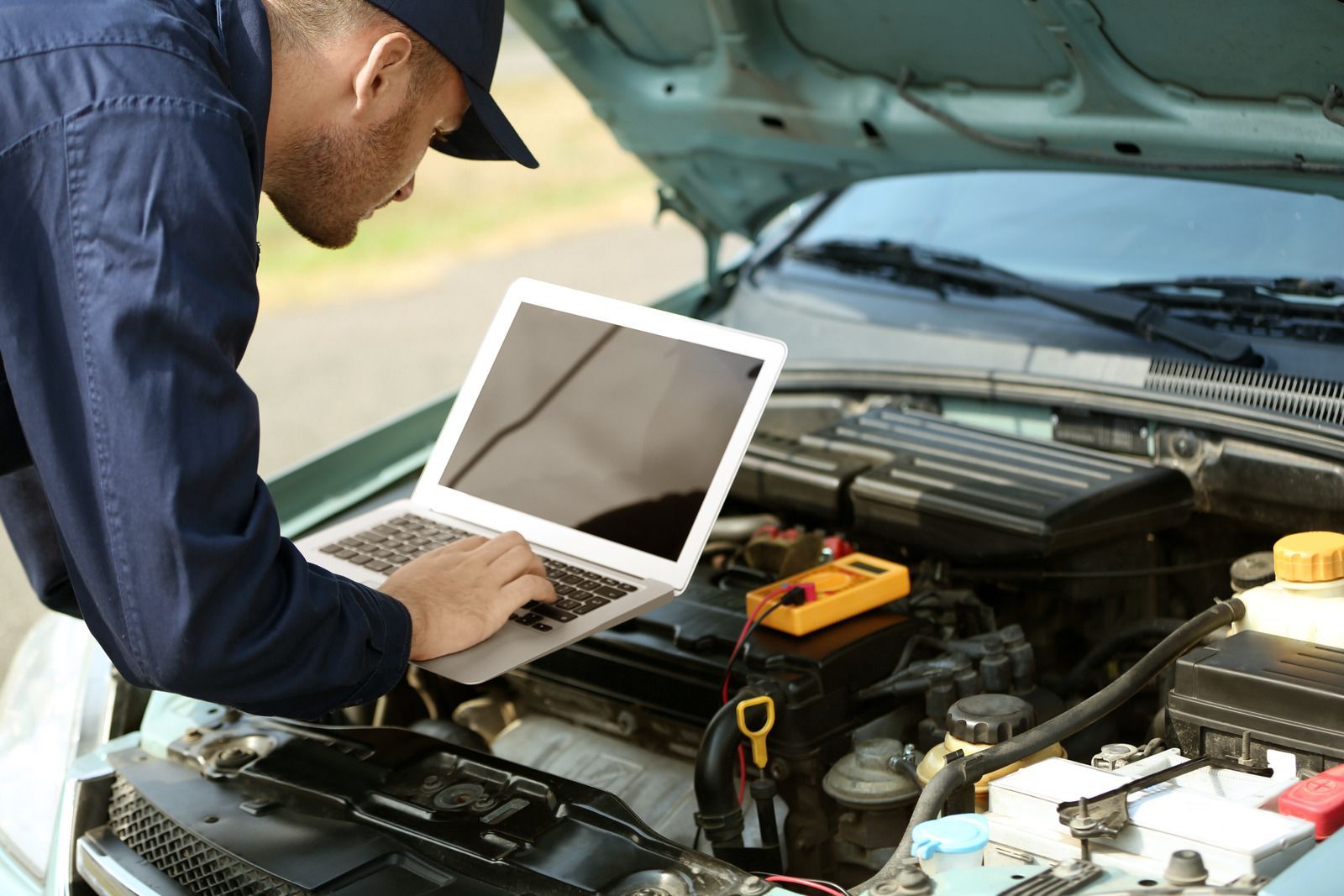
Rough idle, misfire, hard starting and power loss get traced through live data, fuel trims, compression and ignition testing. We identify the failing component instead of stacking parts against a symptom that keeps returning.
WIRING
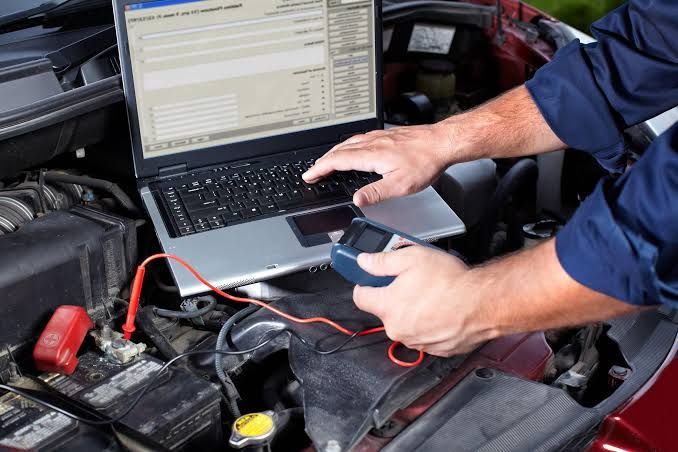
Electrical System Diagnostics
Corroded grounds, chafed harnesses and failing relays cause faults that seem to move around a vehicle. We test voltage drop, load the circuit, and follow the wiring to the point where the signal is actually lost.
DRIVELINE
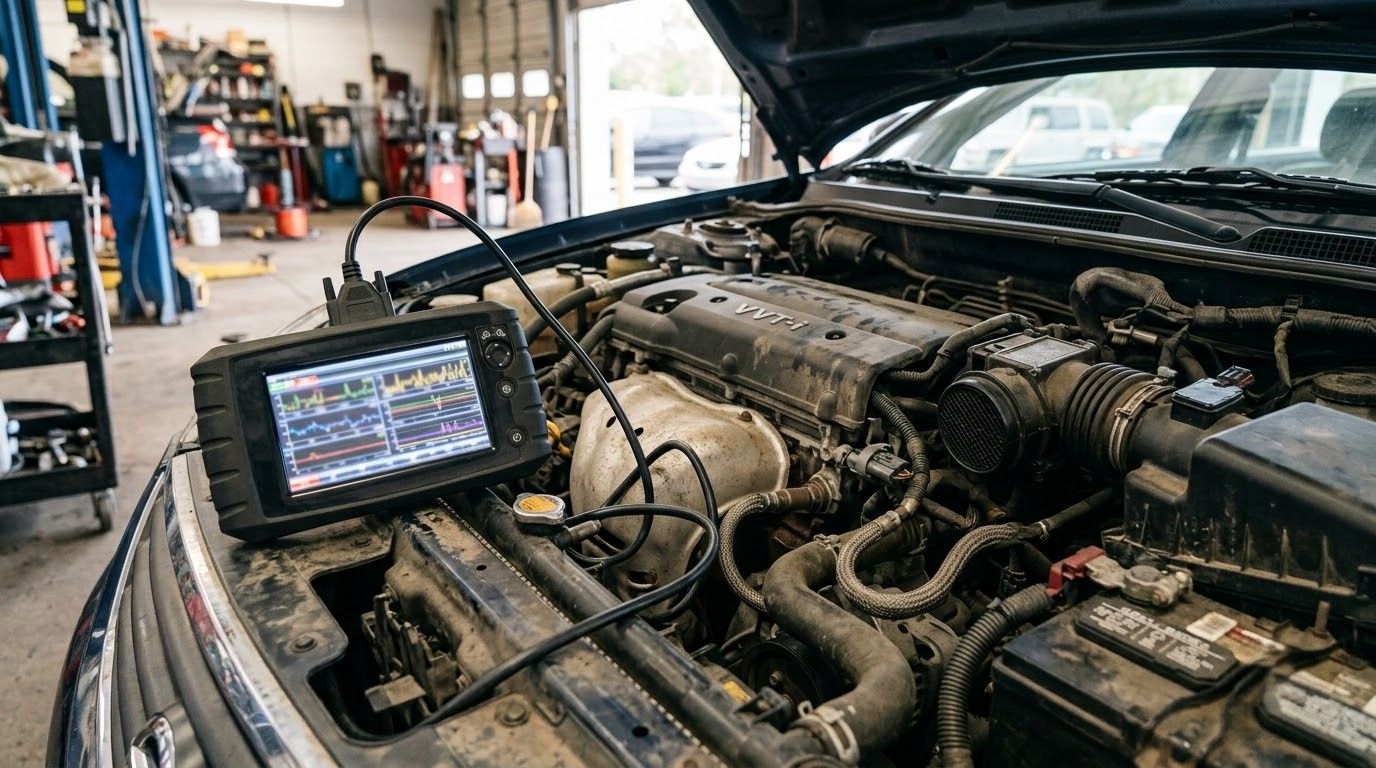
Transmission Diagnostics
Harsh shifts, slipping and delayed engagement are read from transmission module data, solenoid response and fluid condition together. We separate an electrical control fault from genuine internal wear before any repair gets recommended.
SENSORS
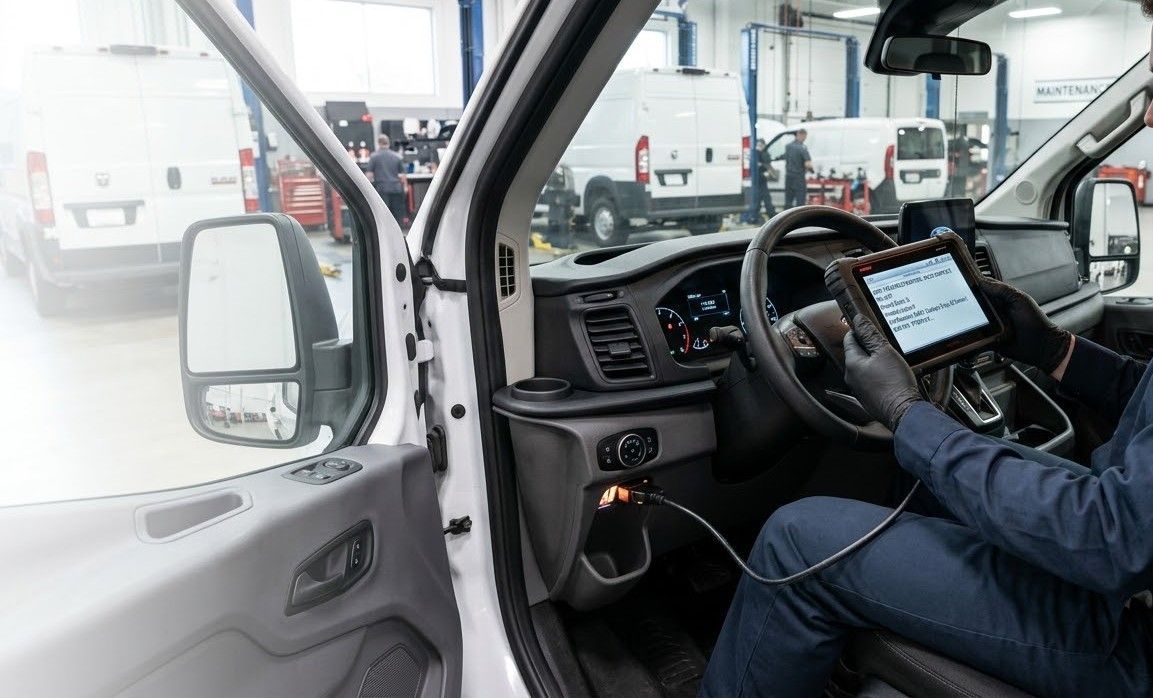
Warning Light and Sensor Testing
Oxygen sensors, mass airflow meters, coolant temperature senders, wheel speed rings and pressure switches are checked against known-good values with the engine running. A lazy signal reads as normal on a static scan.
EMISSIONS
OBD and Emissions Readiness Checks
We pull the codes the computer holds, then confirm which readiness monitors have completed. Short delivery routes often leave monitors unset, and that alone will fail an OBD-based emissions check even with no fault present.
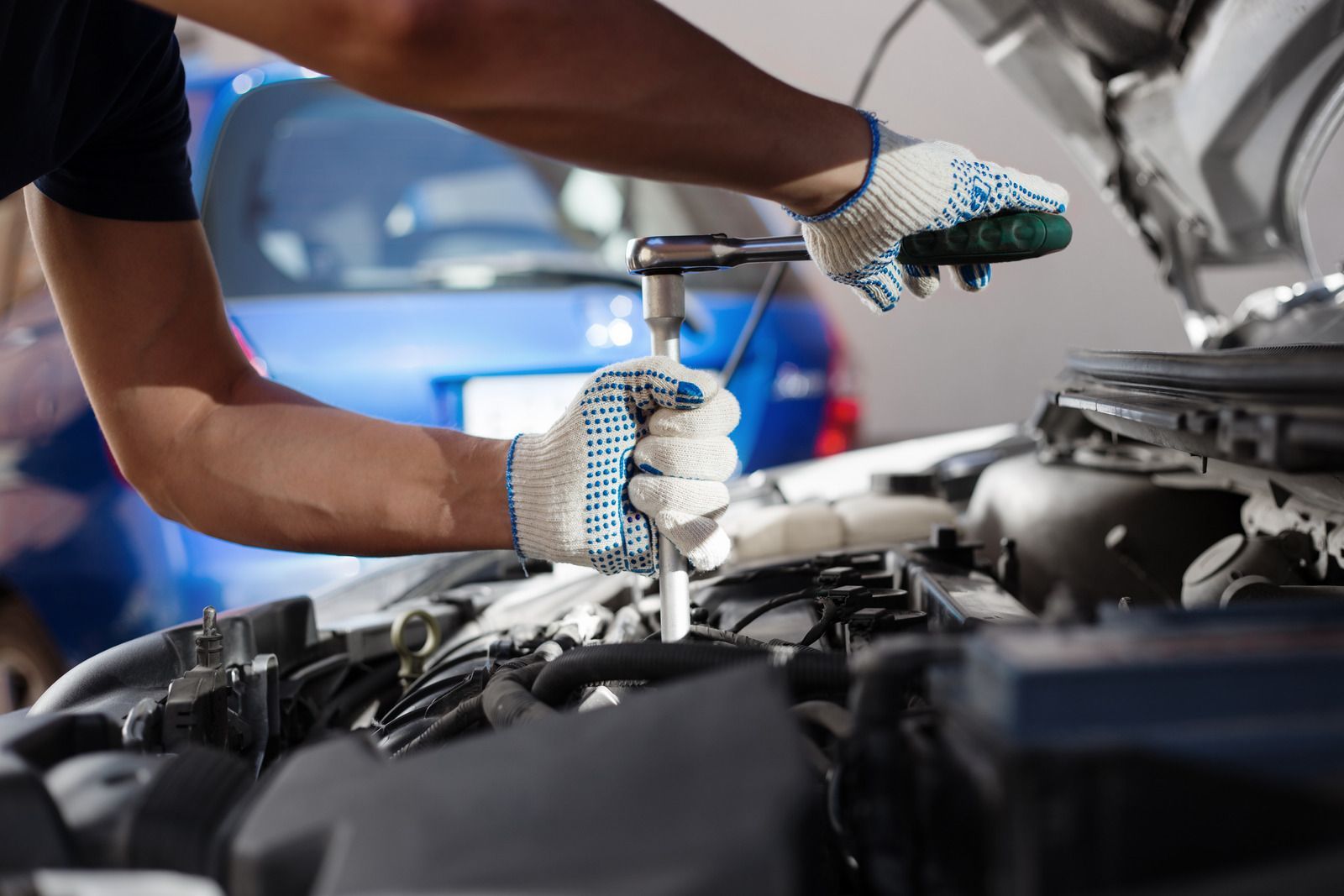
REPORTING
Findings and Repair Recommendations
Each diagnosis ends in writing: the code, the tested cause, the recommended repair, and what can safely be deferred. Records stay on file so patterns across your fleet become visible over time.
THE WORD ON OUR WORK
WHAT OUR CLIENTS SAY.
Clients tell us the same thing after a first visit: the van did not come back for the same fault. Managers mention the findings we write up, and the fact that we explain what we tested in plain language a driver can understand and act on.
Common Questions
FREQUENTLY ASKED QUESTIONS.
Fleet managers ask us these questions most often about warning lights, trouble codes and emissions monitors. Short answers follow, aimed at the person who has to make the call on a vehicle.
What Does the Check Engine Light Mean on a Fleet Vehicle?
It means the onboard computer has logged a fault it cannot correct on its own, usually in the engine, fuel or emissions systems. A steady light is a warning, and a flashing light means stop driving.
How Long Does a Vehicle Diagnostic Test Take?
Long enough to read the codes, verify the symptom and test the circuit involved, which varies with how well the fault repeats. Intermittent problems take longer because the fault has to be recreated before anything is confirmed.
Can You Drive a Vehicle With the Check Engine Light On?
A steady light usually allows short, careful driving, but a flashing light signals an active misfire that can destroy the catalytic converter. Driving on an unresolved fault risks turning a small repair into a large one.
What Is a Diagnostic Trouble Code?
Codes identify the circuit or system reporting an out-of-range value, not the broken part itself. A code naming an oxygen sensor circuit, for example, can be caused by wiring, a vacuum leak or the sensor.
Why Does the Check Engine Light Come Back After a Repair?
Because the original fault was never confirmed, or a second cause on the same circuit was missed. Clearing a code without repairing what set it simply resets the countdown until the computer sees it again.
Can a Scan Tool Find Every Problem?
No. Scanners report what the modules have logged, which narrows the search but never replaces meter testing, live data and hands on the vehicle. Fleet Service Me diagnoses those harder faults for fleets throughout Rancho Cucamonga, CA.
What Is an OBD Readiness Monitor?
Monitors are self-tests the computer runs on emissions systems during normal driving. Until each one completes, a vehicle is not ready for testing, and short stop-and-go routes often prevent them from finishing.
Why Did My Truck Fail Its Emissions Test?
Usually a fault the computer recorded, or a monitor that never completed, since the check reads the onboard computer rather than the tailpipe. We repair the underlying fault at Fleet Service Me in Rancho Cucamonga, CA.
HOW WE WORK
FROM A LIT DASH TO A DECISION YOU CAN MAKE.
STEP 01
Taking the Driver's Account
Drivers notice things a scan tool cannot log: when the light appeared, what the vehicle was doing, whether power dropped or the idle changed. We start with that account because it points to the conditions we need to recreate.
STEP 02
Pulling Codes and Freeze-Frame Data
Scanning every module gives us logged codes, pending codes and the freeze-frame snapshot of engine load, speed and temperature at the moment the fault set. That snapshot tells us what a vehicle was doing when it failed.
STEP 03
Testing the Circuit, Not the Code
Meters, scopes and known-good values come out next. We check power, ground and signal along the circuit the code named, because wiring, connectors and vacuum leaks set sensor codes far more often than sensors do.
STEP 04
Confirming the Fault on the Vehicle
Before any repair is quoted, we reproduce the failure with heat, load, vibration or a road cycle. If it will not repeat under those conditions, we record data over a longer run rather than guess at a part.
STEP 05
Explaining the Finding and the Options
You hear what failed, what caused it, what the repair involves and what can safely be deferred until the next service. Nothing is ordered until you decide, and the reasoning behind our recommendation is written down.
STEP 06
Clearing and Verifying After the Repair
Once the work is complete, codes are cleared and the vehicle is driven through the conditions that set them. We confirm the monitors run and complete, so the fix is verified rather than assumed.