

Fleet Tire
FLEET TIRE SERVICE IN Rancho Cucamonga, CA
Federal rule 49 CFR 393.75 sets 4/32 of an inch as the minimum tread on steering-axle tires and 2/32 of an inch on every other axle, and a driver rarely measures either one. Fleet Service Me has kept business vehicles rolling for 30 years. This page covers our fleet tire service in Rancho Cucamonga, CA: inspections, rotation, pressure and TPMS checks, tread measurement, mounting, replacement, and flat repairs. We are family-owned, licensed and insured, and every job we perform is guaranteed.
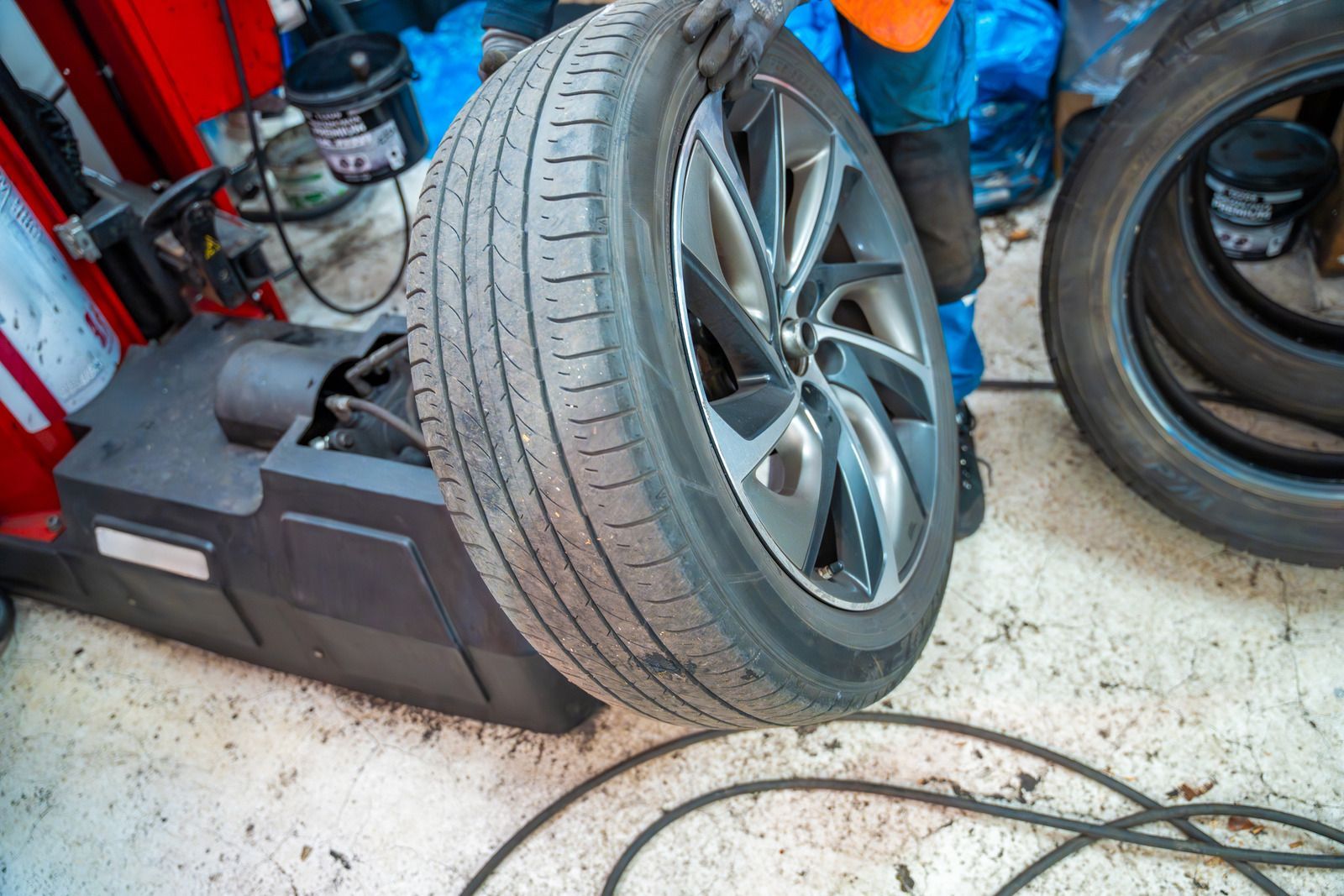
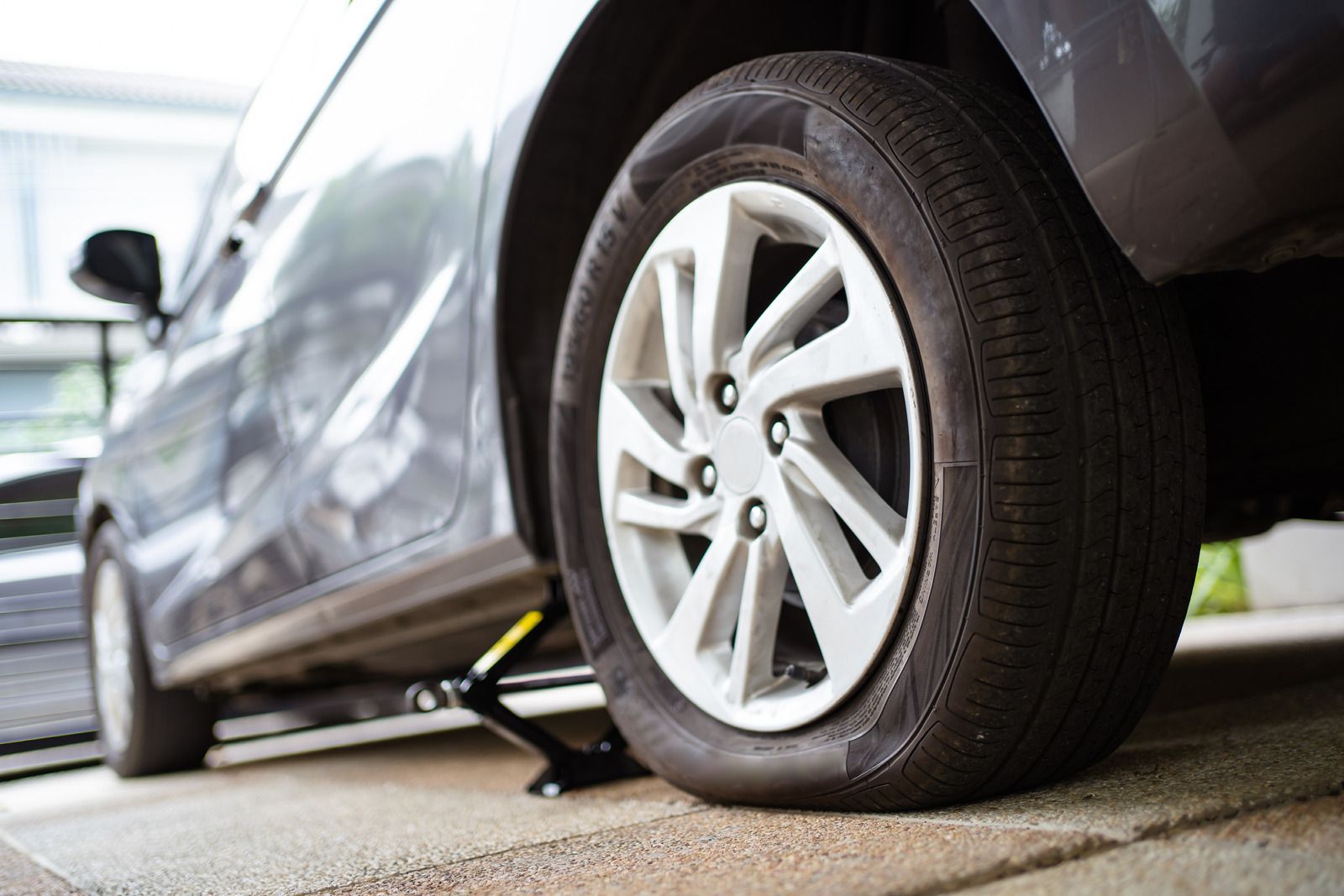
TIRES ARE THE ONLY PART OF THE TRUCK TOUCHING THE ROAD.
Every stop, every turn onto a warehouse apron, every mile of stop-and-go delivery passes through four contact patches the size of a hand. When those patches are low on air or wearing unevenly, braking distance grows, fuel burn climbs, and casings run hot enough to fail. We treat tires as a wear item with a schedule, not a part noticed after it blows.
Measuring tread at three points across each tire and checking pressure on every position takes minutes. Skipping it costs a stranded van, a missed delivery window, and a casing that could have been rotated instead.
- Multi-point tread readings on every tire
- Air pressure and TPMS checked at each wheel position
- Wear patterns read for inflation and load problems
- Findings logged against the unit number and wheel position
FLEET TIRES
A BLOWOUT ON THE 15 COSTS A WHOLE DAY OF ROUTE.
One shredded casing on Interstate 15 does not stay a tire problem. The van sits on the shoulder, the route splits across other drivers, the load arrives late, and the customer remembers it. Most of those failures start weeks earlier as a slow leak, a scuffed sidewall, or an inside shoulder wearing faster than the outside. We find that early, in the bay, while the vehicle is already in for service.
SUMMER PAVEMENT HERE IS BRUTAL ON UNDERINFLATED RUBBER.
Inland Empire heat pushes asphalt temperatures far above the air temperature, and a tire running 10 pounds low flexes more, builds heat faster, and gives up sidewall life. Add the warehouse belt between Interstate 15 and Interstate 10, curbed loading docks, and short stop-and-go routes through Ontario, Fontana, and Upland, and rubber here works harder than the same tire would anywhere cooler. We check pressure cold for that reason.
TIRE WEAR TELLS US WHAT THE DRIVER WILL NOT.
Feathered edges say one thing, cupping says another, and a worn inside shoulder on a loaded service van usually means the unit has been running low on air for months. Drivers report only what gets noticed, and a slow leak is not something anyone notices. After 30 years of pulling wheels for business fleets, we read the rubber first and ask questions second. What are your tires already telling you?
WHY CHOOSE US FOR FLEET TIRE SERVICE.
FEWER ROADSIDE BLOWOUTS
Catching a leaking valve stem or a cracked sidewall in the bay keeps your van moving instead of parked on a shoulder while a route gets divided among drivers who already have stops.
LEGAL TREAD AT INSPECTION
Documented tread depth keeps a unit from being pulled out of service over 2/32 of an inch when an inspector puts a gauge on the steering axle and asks for records.
BETTER FUEL NUMBERS
Underinflated tires drag, and drag shows up on your fuel card every week. Holding every position at its rated pressure is the simplest mileage improvement available to a working fleet.
EVEN WEAR ACROSS AXLES
Rotating on schedule spreads wear so one corner does not reach the wear bars months ahead of the rest, which keeps you replacing tires in sets instead of one at a time.
MORE MILES PER SET
Pressure held where it belongs, rotation done on time, and wear caught early add up to a set that reaches the end of its usable tread instead of half of it.
SAFER STOPS WHEN LOADED
A fully loaded delivery van needs every bit of grip it has. Good tread and correct pressure shorten the distance between the brake pedal and a full stop when weight is behind you.
WHAT WE CHECK
OUR FLEET TIRE WORK
Six jobs cover almost everything a business vehicle needs from its tires between purchase and retirement. Each one happens in our bay, on a lift, with the wheels off and a gauge in hand.

INSPECTION
Tire Inspections
We pull each wheel position into view and look at tread, sidewalls, valve stems, and the inner shoulder most drivers never see. Cuts, bulges, embedded debris, and uneven wear all get noted against the unit.
ROTATION
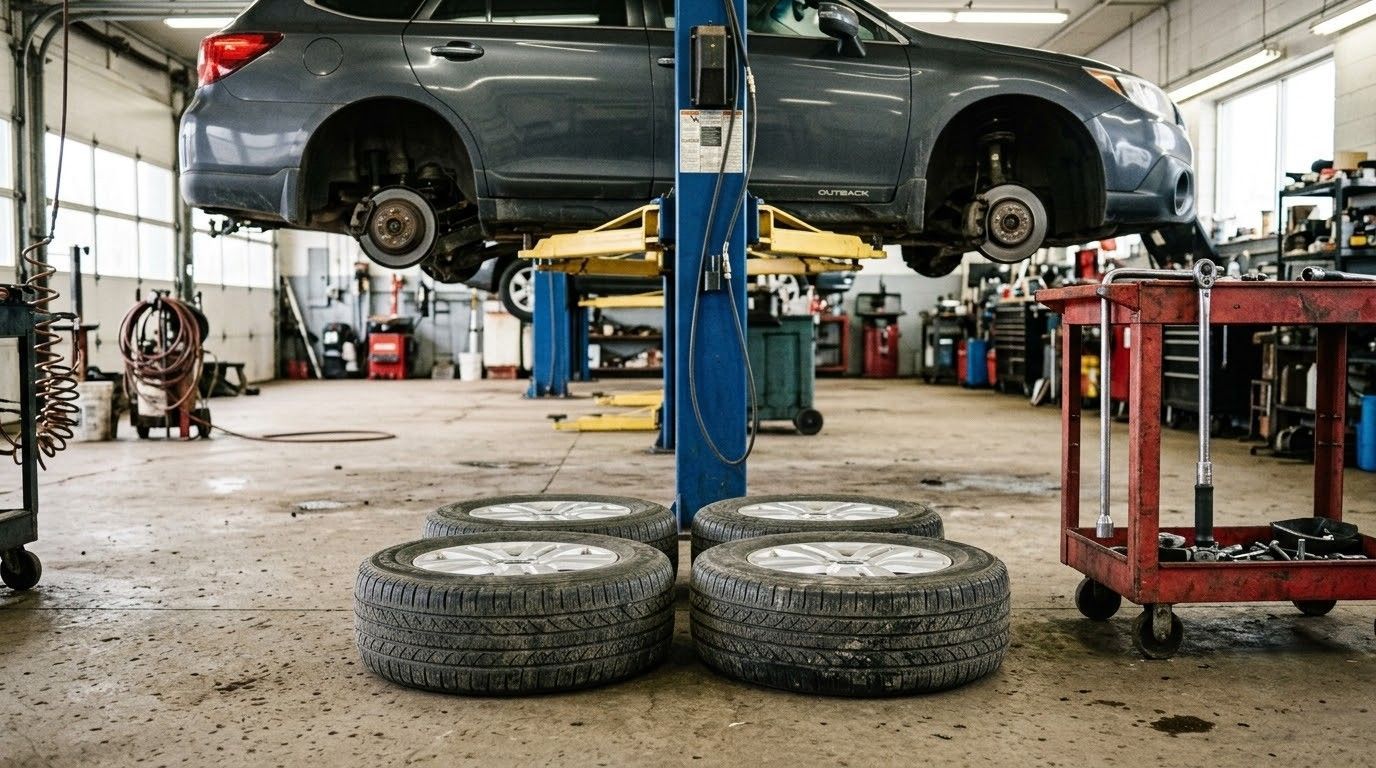
Tire Rotation
General guidance puts rotation around every 6,000 to 8,000 miles, and delivery duty cycles often want it sooner. Moving tires between positions evens out the load each one carries and stretches the life of the whole set.
PRESSURE
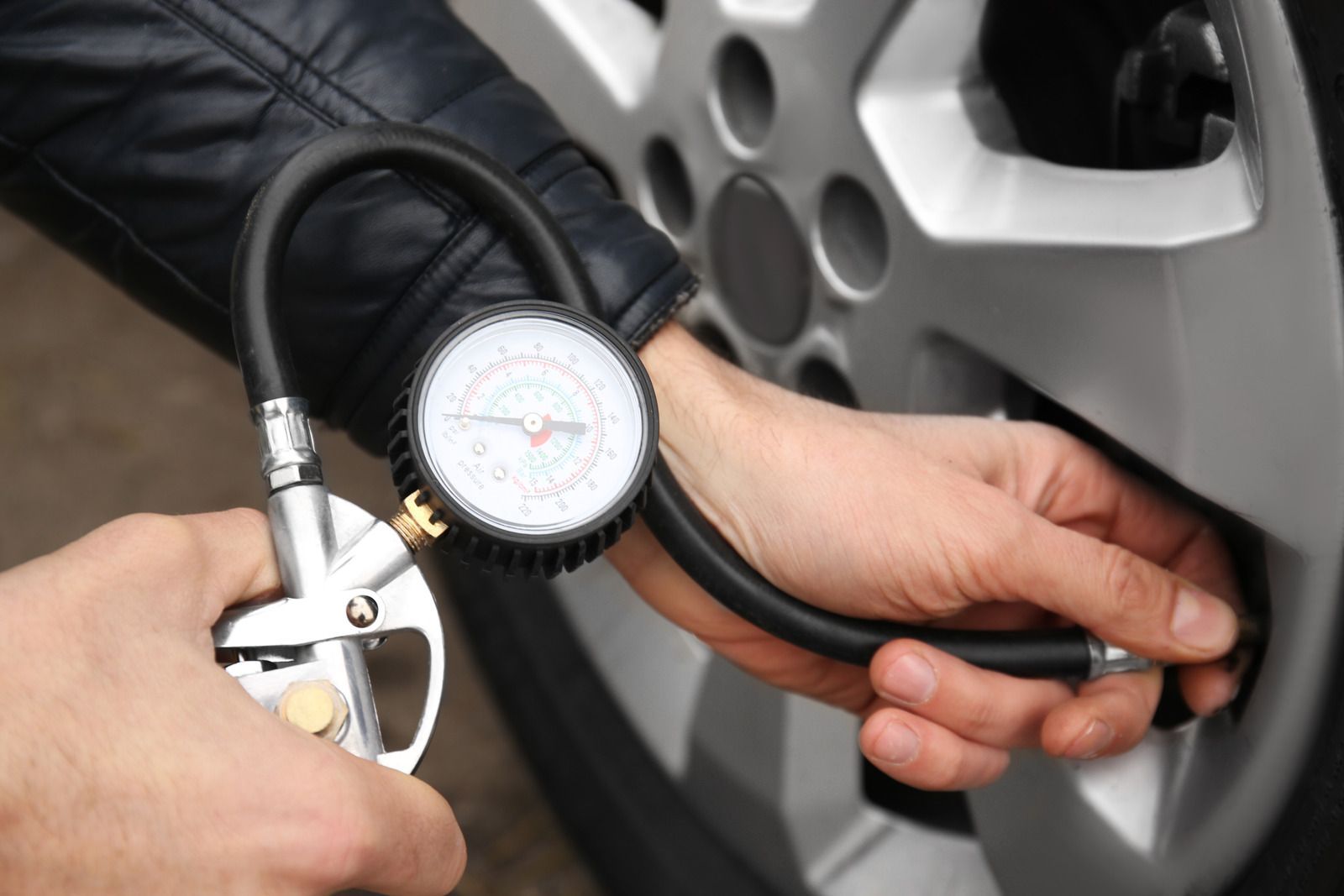
Tire Pressure and TPMS Checks
Cold pressure gets checked at every position against the door placard, not the number stamped on the sidewall. If a TPMS light is on, we find out whether it is a sensor, a battery, or a genuine leak.
TREAD
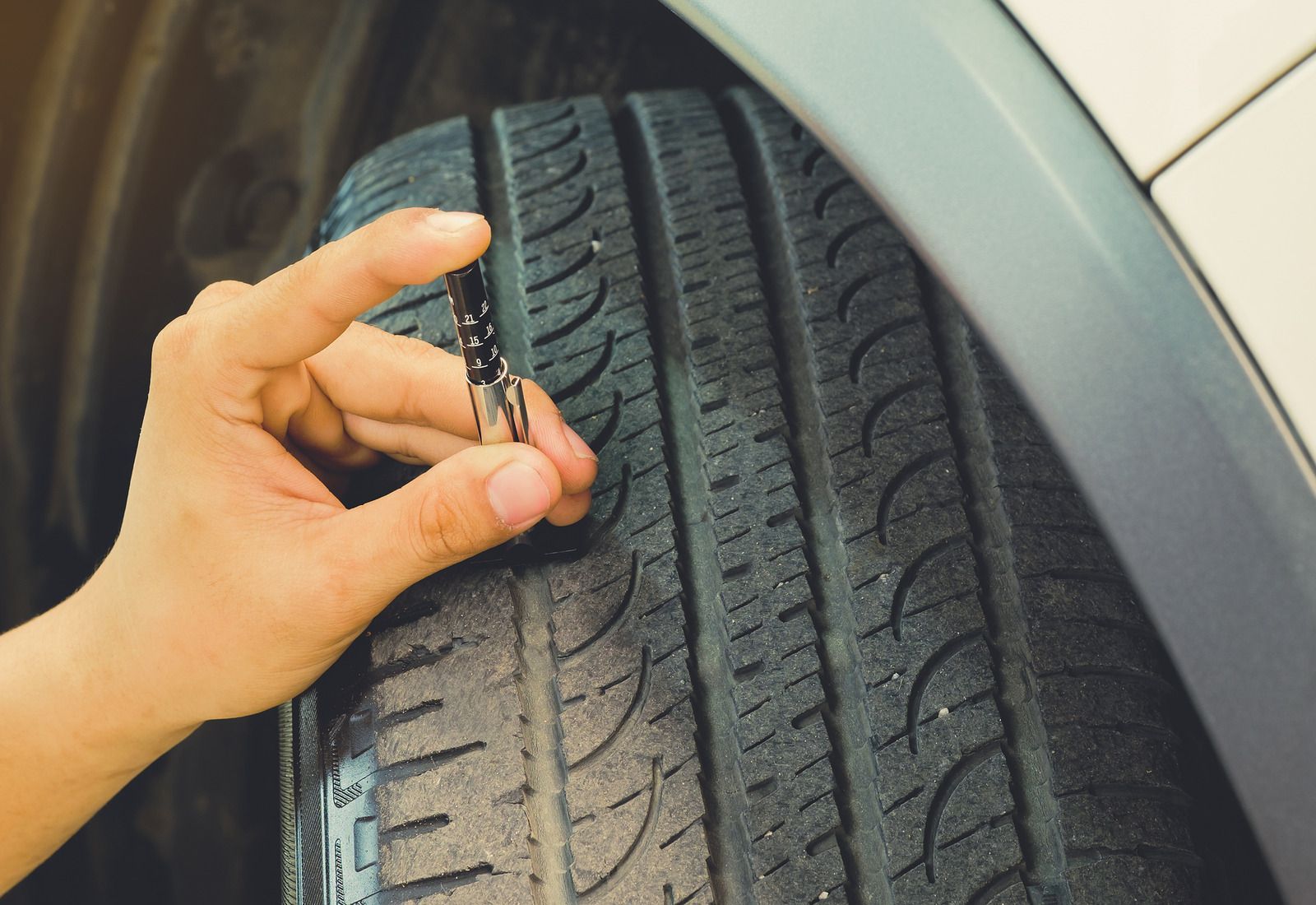
Tread Depth and Wear Measurement
Depth gets gauged at the inner, center, and outer ribs of each tire, because an average hides a problem. The spread between those three readings is what tells us about inflation, load, and suspension condition.
REPLACEMENT
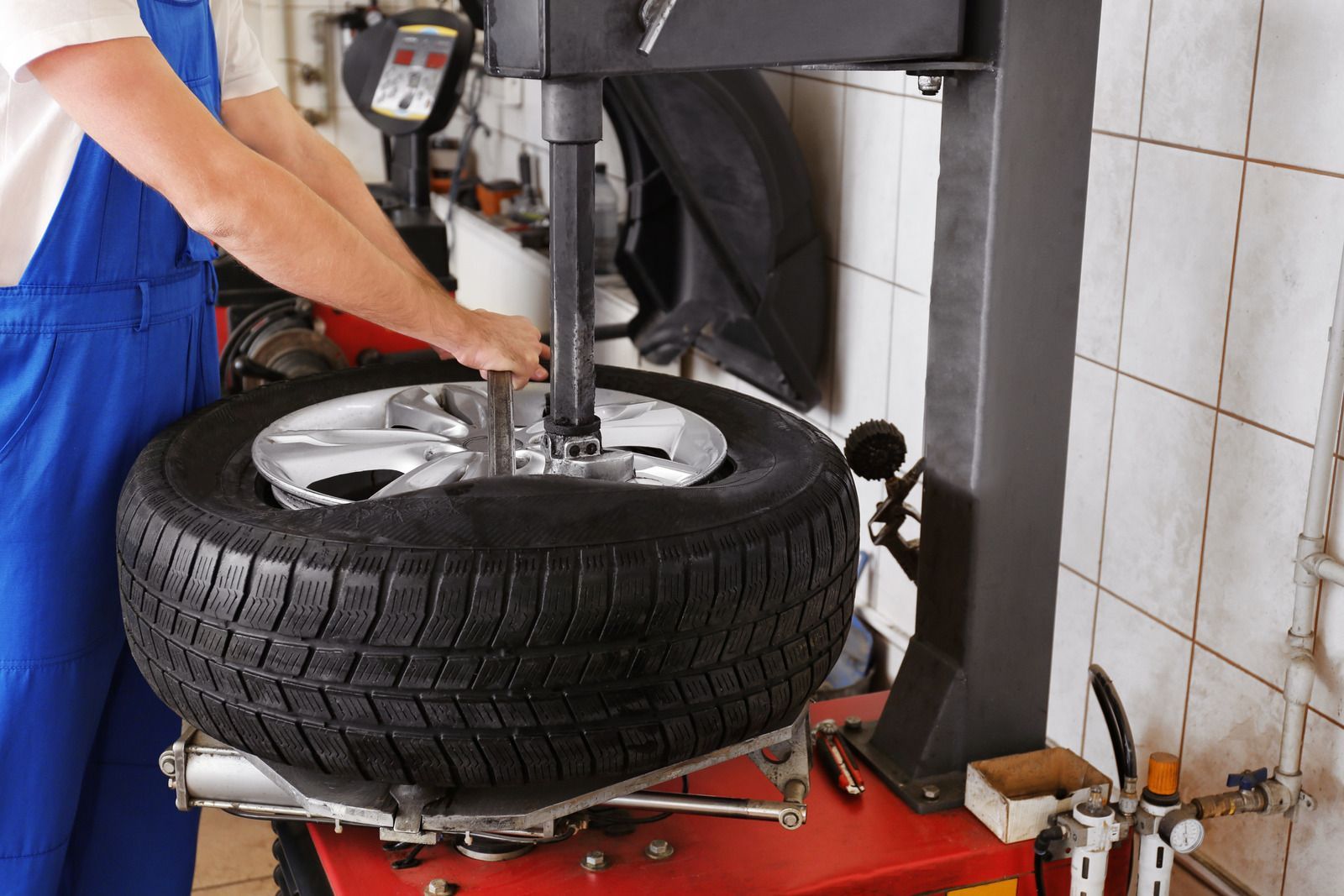
Tire Mounting and Replacement
When a casing is done, we mount and balance the replacement, seat the bead, reset the TPMS sensor, and torque the lug nuts to specification. You supply or approve the tires; we do the work in our bay.
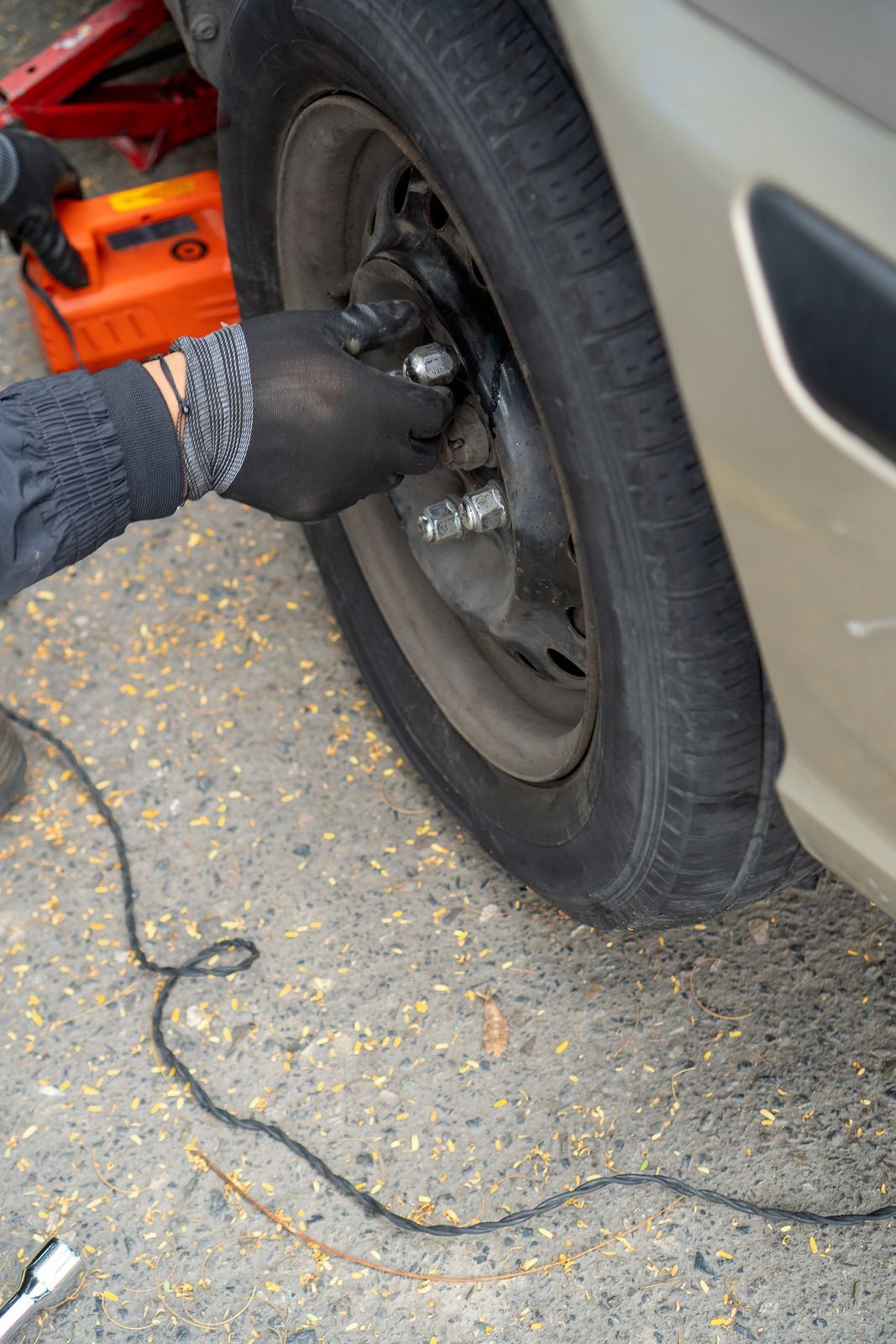
FLATS
Flat Repairs
Punctures in the tread area, inside the repairable zone, get a proper patch and plug from the inside after the tire comes off the rim. Sidewall damage and shoulder punctures do not get repaired.
THE WORD ON OUR WORK
WHAT OUR CLIENTS SAY.
Fleet managers tell us the same two things about tire work: the vehicle came back when we said it would, and the service record made the next quarter easier to plan. That is the feedback we build around, and it is why units keep coming back.
Common Questions
FREQUENTLY ASKED QUESTIONS.
Questions about tread limits, rotation intervals, and warning lights come up on nearly every fleet vehicle we take in. Here are the answers we give fleet managers most often.
What Is the Legal Tread Depth for Commercial Vehicle Tires?
Steering-axle tires need at least 4/32 of an inch of tread, and every other axle needs 2/32 of an inch, under federal rule 49 CFR 393.75. Below that, a vehicle can be placed out of service.
How Often Should Fleet Tires Be Rotated?
Around every 6,000 to 8,000 miles is the common guidance, though stop-and-go delivery routes and loaded vans often need it sooner. Pairing rotation with an oil service keeps it from being forgotten.
What Causes Uneven Tire Wear on Work Vans?
Low pressure, worn suspension or steering parts, and constant heavy loads on one axle are the usual causes. At Fleet Service Me in Rancho Cucamonga, CA, we read the wear pattern before deciding what needs replacing.
What Tire Pressure Should a Loaded Work Truck Run?
The placard on the door jamb gives the right pressure for the vehicle and its load rating. Use that number, not the maximum stamped on the sidewall, and check it before the truck has been driven.
How Long Do Commercial Tires Last?
It depends on load, route, and inflation more than on any mileage figure. A set held at correct pressure and rotated on schedule can outlast a neglected set by a wide margin on identical routes.
What Is TPMS and Why Does the Light Stay On?
TPMS is the tire pressure monitoring system, and a light that stays on after inflation usually means a failed sensor, a dead battery, or a system that was never reset. Fleet Service Me diagnoses that in Rancho Cucamonga, CA.
What Causes a Tire Blowout?
Heat is the common thread. Running underinflated, overloading an axle, or driving on a casing with hidden internal damage all build heat until the structure separates, usually at highway speed on a hot afternoon.
Can a Commercial Tire Be Repaired After a Puncture?
Sometimes. A puncture in the tread area within the repairable zone can take a patch and plug from the inside, but sidewall damage, shoulder punctures, and run-flat damage mean the tire gets replaced.
HOW WE WORK
FROM A QUICK LOOK TO A FLEET THAT PASSES.
STEP 01
Measuring Tread and Pressure at Every Axle
Each wheel position gets a gauge on it before anything else happens. We record cold pressure and tread depth at the inner, center, and outer ribs, so we start from numbers instead of a walk-around impression.
STEP 02
Reading the Wear Pattern
Numbers alone do not explain themselves. Feathering, cupping, center wear, and shoulder wear each point somewhere specific: too much air, too little air, a heavy axle, or a suspension part that has given up.
STEP 03
Flagging What Will Not Last the Quarter
Legal today is not the same as legal in 90 days. Any tire close to the limit gets flagged with its current depth and an estimate of where it lands by the next inspection cycle.
STEP 04
Rotating or Replacing the Tires
With the report in front of you, we rotate what has life left and replace what does not. Nothing gets swapped without your approval, and we tell you which positions are driving the decision.
STEP 05
Torquing and Rechecking Every Wheel
Lug nuts go on in a star pattern to the manufacturer specification, never by feel. Pressure gets set and rechecked, the TPMS system is reset, and the vehicle rolls out with all four corners verified.
STEP 06
Logging Each Position Against the Unit Number
Readings, work performed, and remaining tread go into the service record by unit and by wheel position. Next visit, we compare against that history, which is what turns tire spend into something you can forecast.