

Fleet Maintenance
FLEET MAINTENANCE IN Rancho Cucamonga, CA
California's Basic Inspection of Terminals program puts covered carriers on a 90-day inspection cycle, and federal rules add a periodic inspection every 12 months. Fleet Service Me handles the service work that lives between those dates: oil and filter changes, brake inspections, battery and charging tests, engine performance checks, and interval tracking on every unit. This page covers how our fleet maintenance program runs in Rancho Cucamonga, CA, what each visit includes, and why a family-owned shop keeps records managers can use.
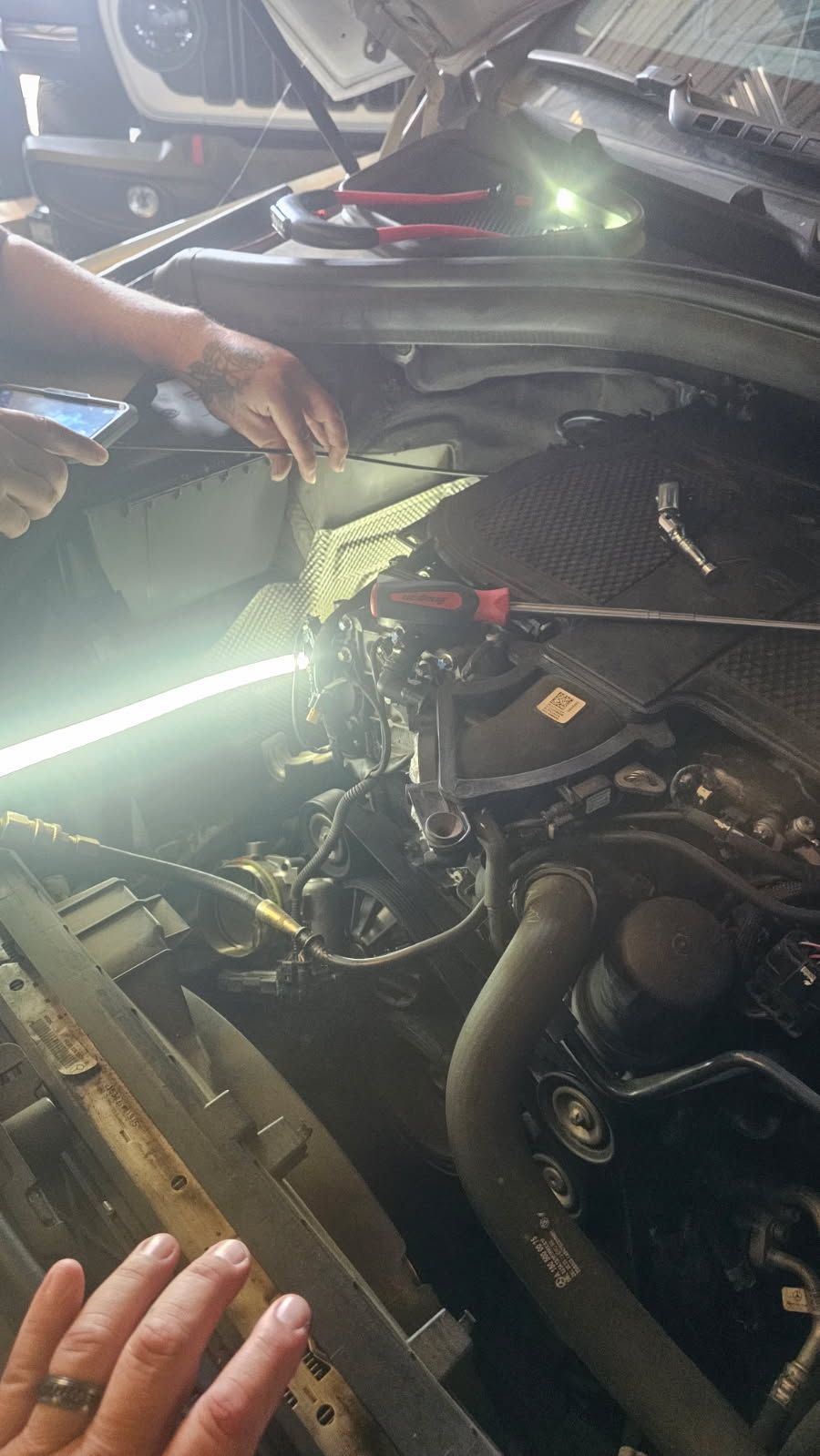
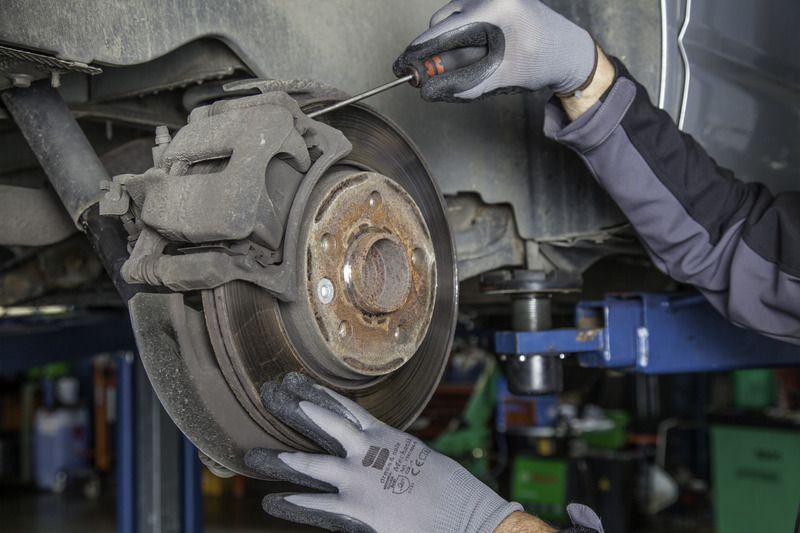
SERVICE THAT HAPPENS ON YOUR CALENDAR, NOT ON THE SHOULDER.
Downtime never arrives at a convenient hour. It shows up on a Tuesday morning with a loaded van, a route already behind, and a driver parked on the shoulder of the 15. Planned service moves that failure into a slot you chose, on a day you picked, with the rest of your fleet rolling and your dispatcher working the board instead of rebuilding it.
Records follow every unit we service: what we checked, what we replaced, and what we want to watch at the next visit. That history is what turns guesswork into a schedule you can budget against.
- Free pickup and delivery for every fleet vehicle
- Priority scheduling built around your routes
- Written service records on each unit
- Licensed, insured, and family-owned
FLEET MAINTENANCE
STOP-AND-GO ROUTES AGE A VAN FASTER THAN MILES DO.
Short hops between warehouses are harder on a van than highway miles. The engine never fully warms, moisture stays in the oil, brakes cycle hundreds of times a shift, and the cooling system works overtime in traffic that barely moves. An odometer reading alone will not tell you when that van needs attention. We set intervals against how each vehicle is actually used, so service lands before normal wear turns into a failed shift.
WAREHOUSE ROUTES HERE PUNISH BRAKES AND COOLING SYSTEMS.
Between Interstate 15 and Interstate 10, with SR-60 and SR-91 feeding the distribution belt, local fleets spend the day braking, idling, and restarting in heat. Pads and rotors wear on a schedule that has nothing to do with odometer readings. Coolant breaks down sooner, hoses harden, and batteries cook. We inspect those systems at every visit for fleets running Ontario, Fontana, Upland, Chino, and San Bernardino.
30 YEARS OF CATCHING FAILURES ON THE LIFT, NOT THE ROAD.
Patterns show up when you spend 30 years under fleet vehicles. We know which delivery vans lose a water pump predictably, which service vans eat front brakes on short routes, and which charging systems fail weeks before a driver reports a slow crank. That knowledge is what turns an inspection into a plan. It is easier to catch a failure on the lift than on the shoulder, so why keep waiting for the phone to ring?
WHY CHOOSE US FOR FLEET MAINTENANCE.
FEWER ROADSIDE FAILURES
Worn belts, tired batteries, and thin pads get caught during a scheduled visit instead of mid-route. Your drivers stay on their runs, and your dispatcher stops rebuilding the day around one dead unit.
PREDICTABLE SERVICE WINDOWS
You choose the day, and we work around your routes with priority scheduling for fleet clients. Vehicles go in when they are least needed, not when a broken part decides the timing for you.
LONGER VEHICLE LIFE
Clean oil, healthy coolant, and correct brake work keep wear where it belongs. Units stay in service longer, resale value holds up better, and replacement spending moves further out on your budget.
CLEANER INSPECTION RESULTS
Lights, tread depth, leaks, and brake condition get checked and corrected before an inspector ever sees them. Fewer defects written up means fewer vehicles pulled out of service at the worst possible moment.
STEADIER FUEL NUMBERS
Dragging brakes, clogged filters, soft tires, and misfiring cylinders quietly burn extra fuel. Correcting them at each service keeps consumption where it belongs across the whole fleet, not just the newest units.
ONE SHOP FOR EVERY UNIT
Mixed fleets do not need mixed vendors. Gas and diesel, domestic and import, passenger cars through heavy-duty trucks, all serviced in one place with one record system and one point of contact.
WHAT WE MAINTAIN
OUR FLEET MAINTENANCE WORK
Maintenance covers the systems that decide whether a vehicle finishes its route. Here is what we handle on a visit, from the first oil change through the records your managers use to plan the next interval and budget for it.

SCHEDULED
Preventive Maintenance Programs
Each unit gets a service plan built around its duty cycle rather than a generic mileage chart. We define what happens at every interval, then hold the schedule so nothing slips through a busy quarter.
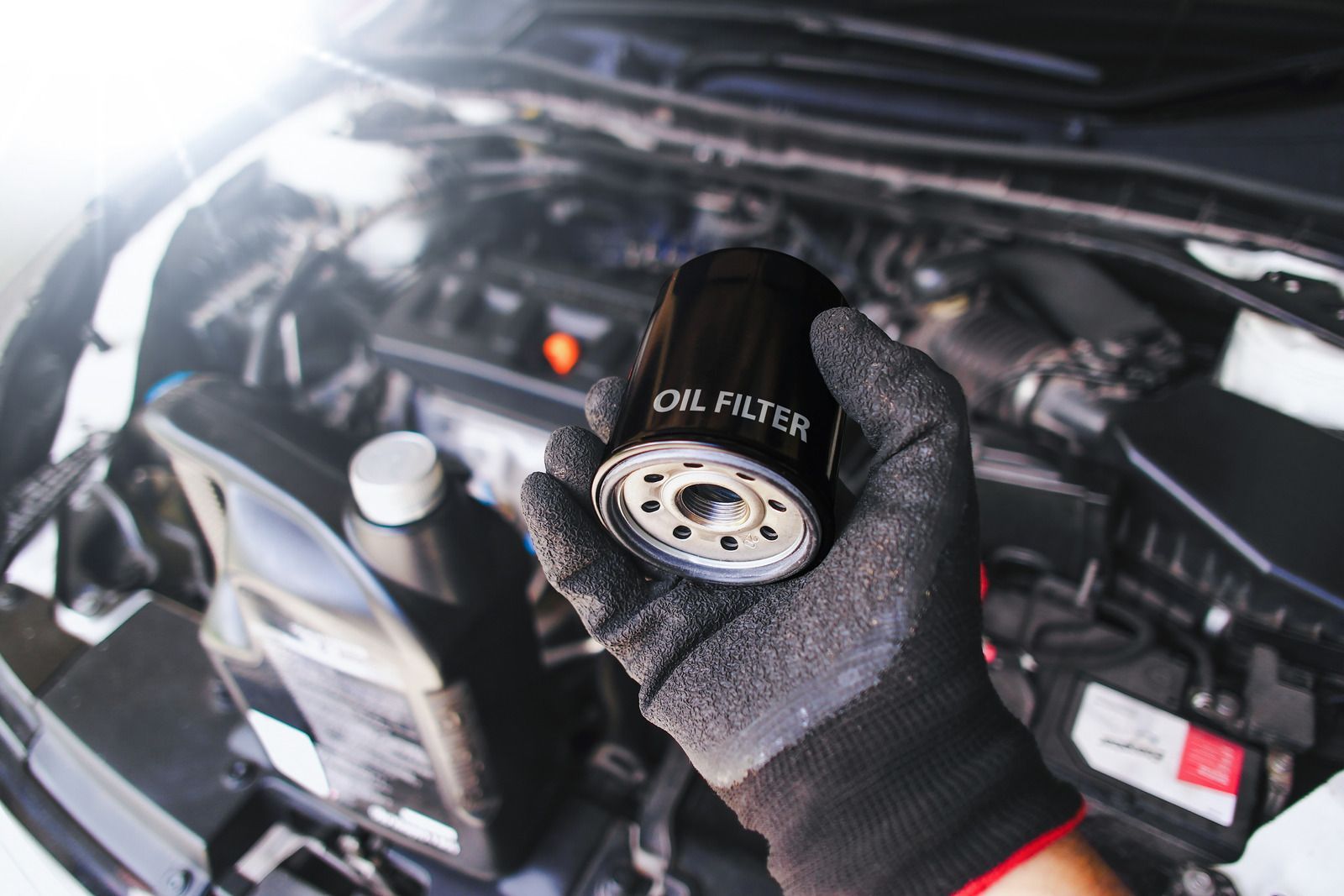
FLUIDS
Oil and Filter Changes
Filters and oil come out on a cycle matched to load, idle time, and route length. General guidance runs roughly 5,000 to 7,500 miles on light-duty units, and harder routes pull that number down.
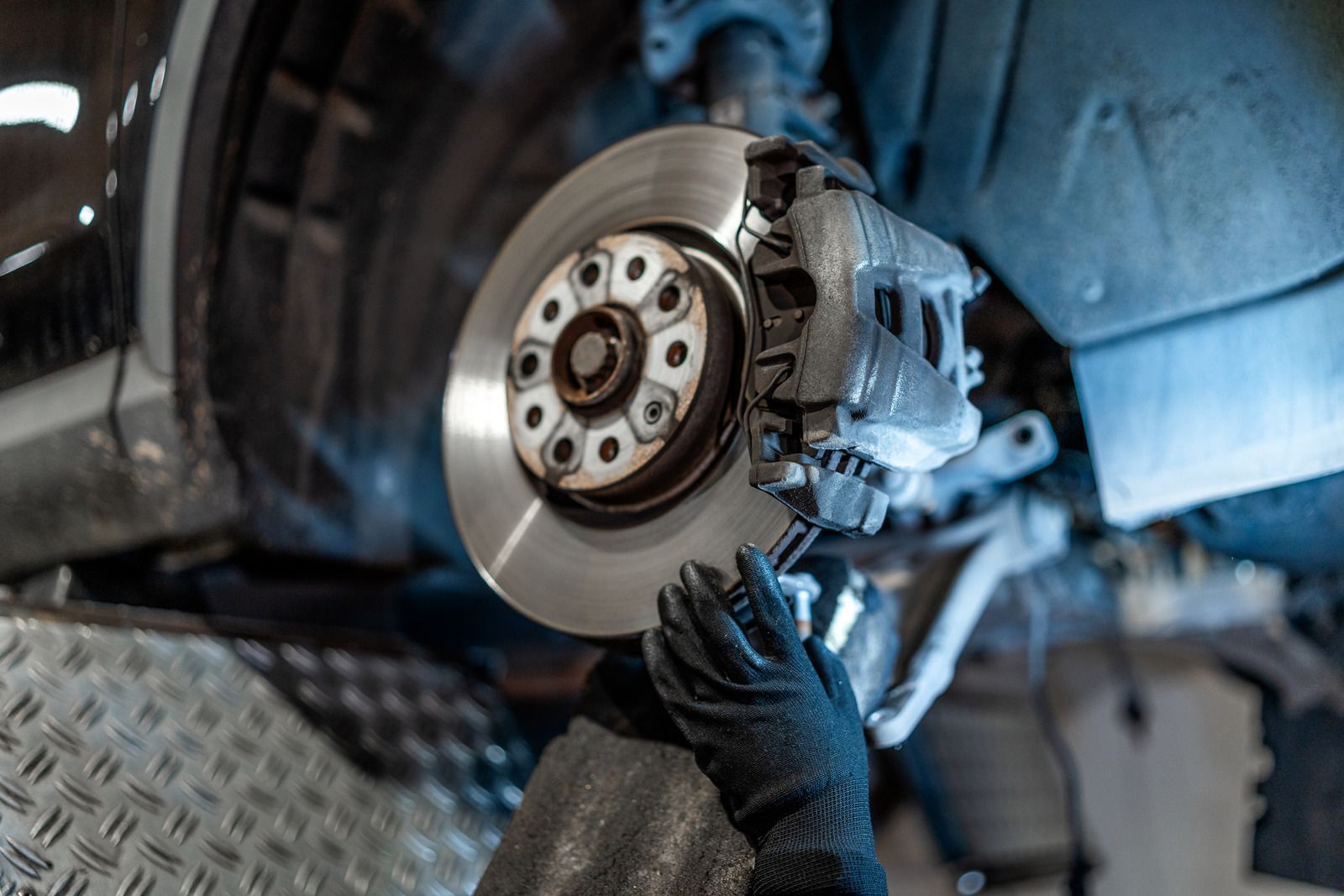
STOPPING
Brake Inspections
Pads, rotors, lines, and fluid are measured and inspected at every visit. Stop-and-go delivery work burns through friction material, so we track remaining life and replace it before a driver reports a noise.
STARTING
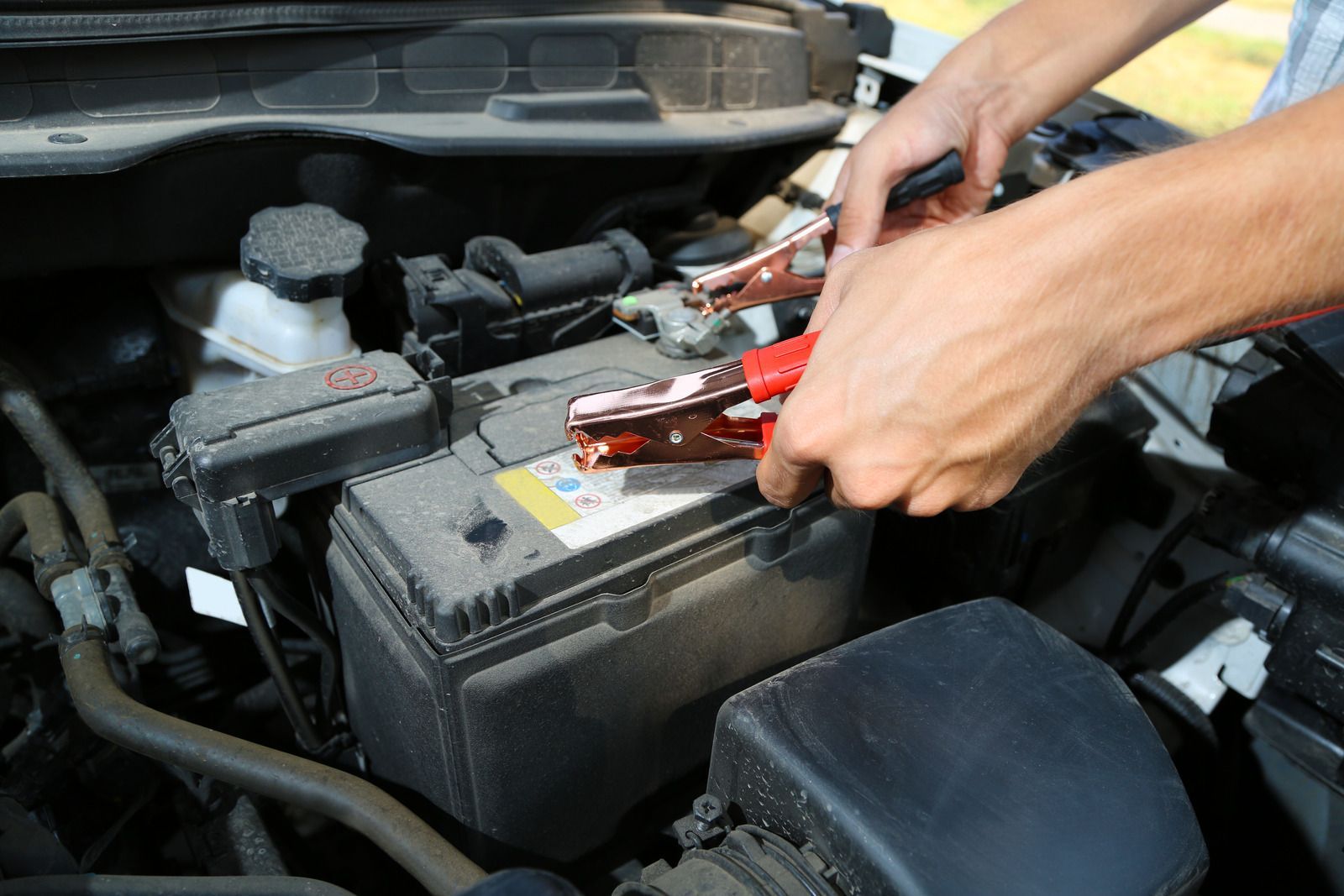
Battery and Charging Checks
Batteries, alternators, cables, and grounds are tested under load. Heat kills batteries early here, and a slow crank on a cool morning is usually a charging fault that showed itself weeks before anyone noticed.
ENGINE
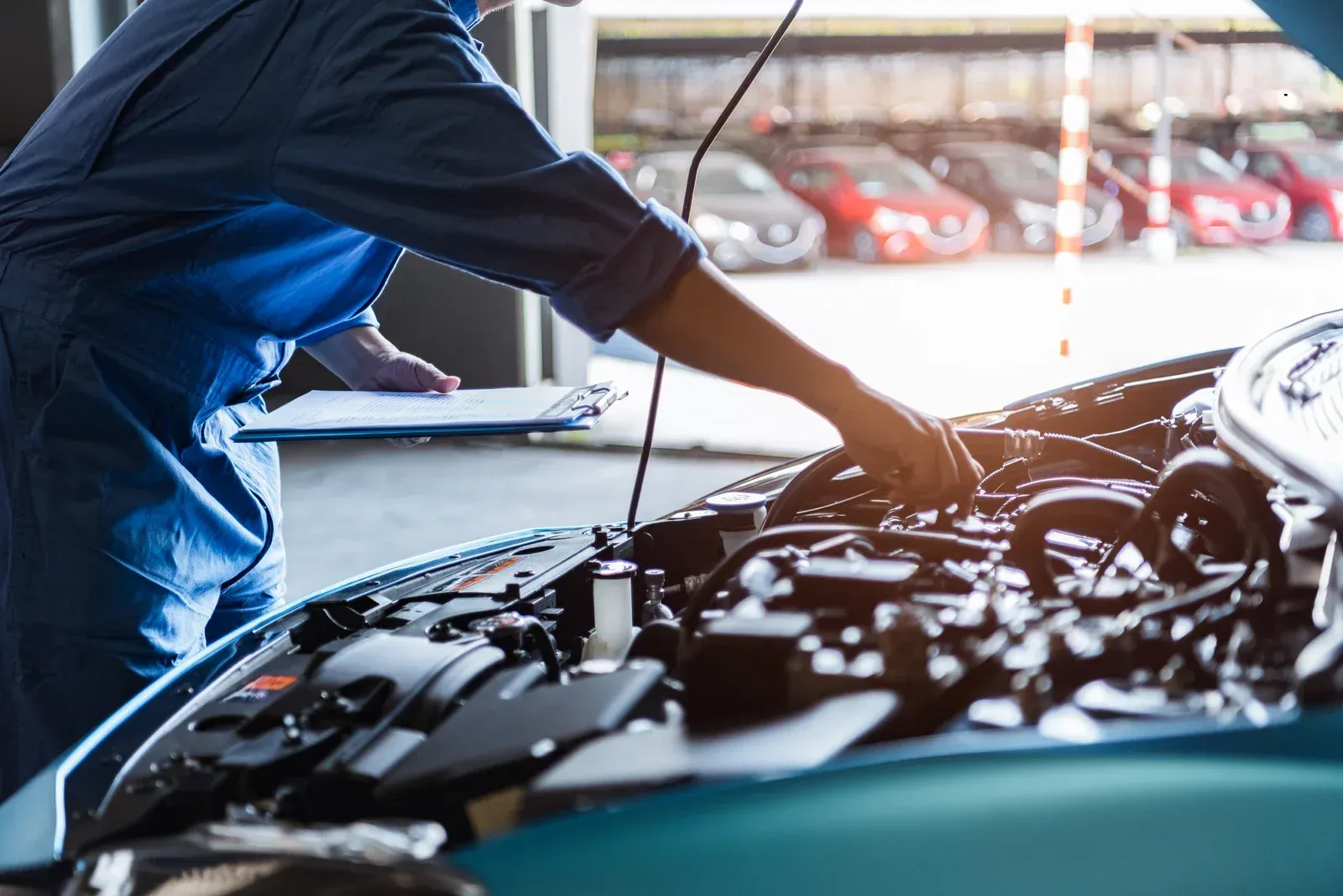
Engine Performance Checks
Rough idle, stored fault codes, and incomplete readiness monitors get diagnosed on the lift. We scan, test, and repair the cause, which also keeps emissions-related faults from stacking up ahead of a compliance deadline.
RECORDS
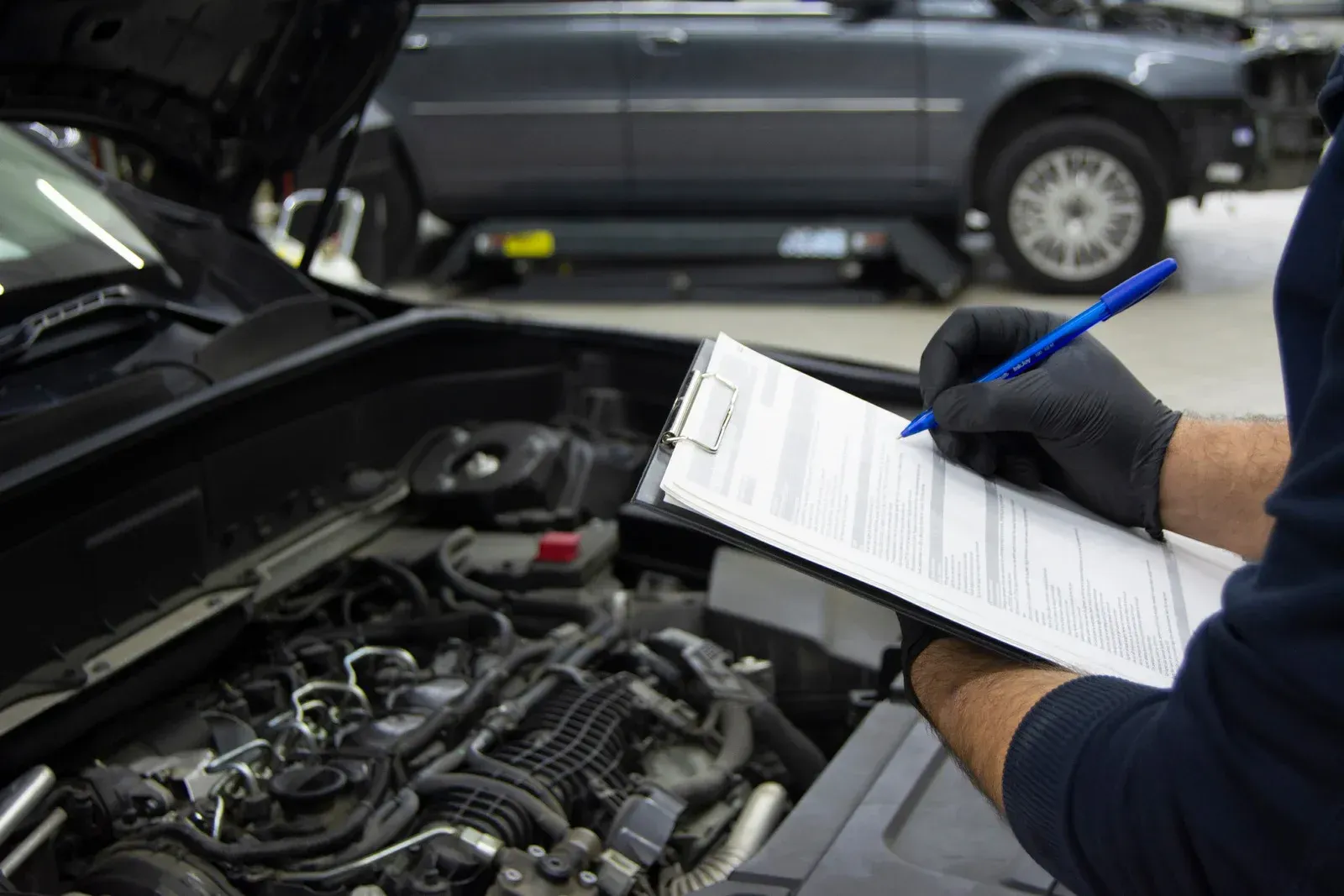
Service Records and Interval Tracking
Detailed history follows each unit: what was inspected, what was replaced, and what comes due next. Fleet managers use that file to plan intervals, budget parts, and prove service was performed on time.
THE WORD ON OUR WORK
WHAT OUR CLIENTS SAY.
The comments we hear most often are about the boring parts of the job: vehicles ready when promised, records that match what was actually done, and repairs that hold up on route. Fleet operators tell us the free pickup and delivery is what makes a maintenance program realistic to run.
Common Questions
FREQUENTLY ASKED QUESTIONS.
Questions we field from fleet managers, dispatchers, and business owners across the Inland Empire, answered plainly. If yours is not covered here, our contact page is the fastest way to reach us.
How Often Should Fleet Vehicles Be Serviced?
Most fleet vehicles run a 5,000 to 7,500 mile cycle for basic service, with a fuller inspection at the 30-60-90 milestones. Severe-duty routes with heavy idling and constant stops shorten that window.
What Is Included in a Preventive Maintenance Inspection?
Typical coverage includes oil and filter service, brake measurement, tire condition and pressure, battery and charging tests, fluid levels, belts, hoses, lights, and a scan for stored fault codes. Anything outside spec gets documented first.
What Is the Difference Between Preventive and Predictive Maintenance?
Intervals drive preventive maintenance: service happens on a fixed time or mileage schedule. Predictive maintenance uses data from the vehicle itself, such as fault codes, wear measurements, and telematics, to act when a component shows it is degrading.
How Do I Build a Fleet Maintenance Schedule?
Start with each vehicle's duty cycle, factory intervals, and repair history, then group units into service windows that fit your routes. Fleet Service Me builds and holds those schedules for fleets across Rancho Cucamonga, CA.
How Often Should Fleet Oil Be Changed?
Light-duty gas engines generally run 5,000 to 7,500 miles between oil changes, while diesels and units in constant stop-and-go work often need tighter intervals. Short trips, heavy idling, and heat pull the number down.
What Are the Signs a Vehicle Needs Immediate Service?
Warning lights, brake noise, a soft or low pedal, coolant loss, smoke, hard starting, and any fresh leak under the vehicle all mean park it now. Drivers should file a defect report the same shift.
Does Severe-Duty Use Change the Maintenance Interval?
Yes. Constant stops, long idle periods, heavy loads, and sustained heat age oil, brakes, and cooling systems faster, so those units need shorter intervals than the base factory schedule assumes for normal driving.
How Long Does a Preventive Maintenance Service Take?
It depends on the unit and what the inspection turns up. Routine work is usually finished in a single visit, and Fleet Service Me schedules fleet service in Rancho Cucamonga, CA around your routes.
HOW WE WORK
FROM FIRST INSPECTION TO A SCHEDULE THAT HOLDS.
STEP 01
Learn How Your Fleet Actually Runs
We start with a conversation about routes, loads, idle time, mileage per unit, and where breakdowns have hurt you before. That picture decides everything downstream, because a van on short hops needs a different plan than a highway truck.
STEP 02
Inspect Each Unit On The Lift
Vehicles come in for a baseline inspection: brakes measured, fluids checked, tread depth recorded, battery and charging tested, and stored codes scanned. You receive a written condition report separating what needs attention now from what can safely wait.
STEP 03
Set Intervals That Match The Duty Cycle
Using that baseline, we assign intervals per unit instead of one blanket mileage number. Vans on short hops move to a tighter cycle, highway trucks stretch out, and the 30-60-90 milestones get slotted where they belong.
STEP 04
Book Service Windows Around Your Routes
Once intervals are set, we reserve windows on days your units can be spared, with priority scheduling for fleet clients. Free pickup and delivery means no driver loses a shift bringing a vehicle to us.
STEP 05
Perform And Log Every Service
Work gets done to the plan, and anything found beyond it is approved by you before we touch it. Every part, measurement, and interval goes into the vehicle record the same day the service closes.
STEP 06
Return The Vehicle Ready To Work
Finished units go back to your yard on our schedule, road tested and documented, with the next service date already on the calendar. Nothing sits waiting for someone to remember to book it.