

Gas & Diesel Vehicles
GAS AND DIESEL FLEET VEHICLES IN Rancho Cucamonga, CA
Nearly every heavy-duty vehicle over 14,000 pounds GVWR operating in California must pass emissions compliance testing twice a year in 2026, while gasoline units follow an entirely different service rhythm. Fleet Service Me maintains and repairs gas and diesel fleet vehicles from one shop in Rancho Cucamonga, CA, covering oil intervals, particulate filters, DEF systems, cooling system repairs, brake work, and drivability diagnostics on light-duty and heavy-duty units. We are family-owned, licensed and insured, and 30 years into this work.
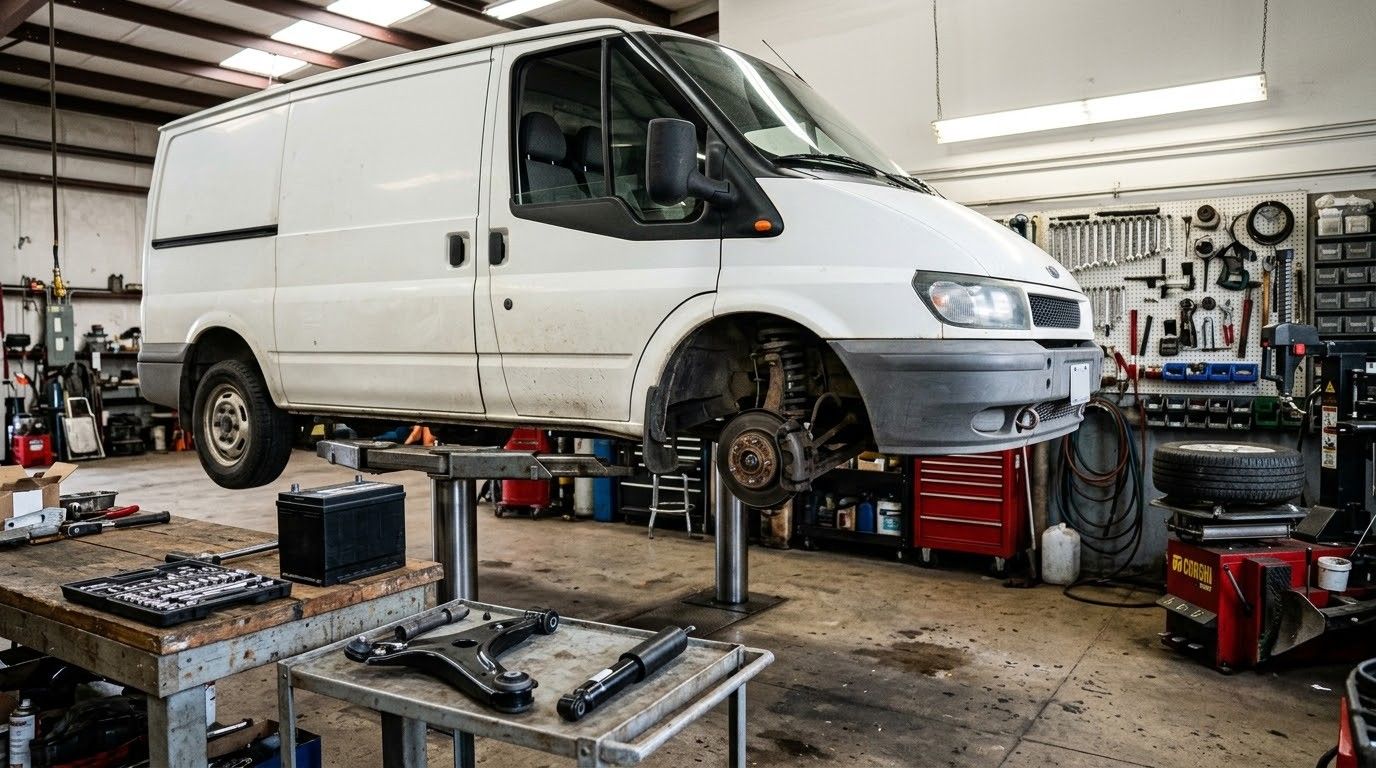
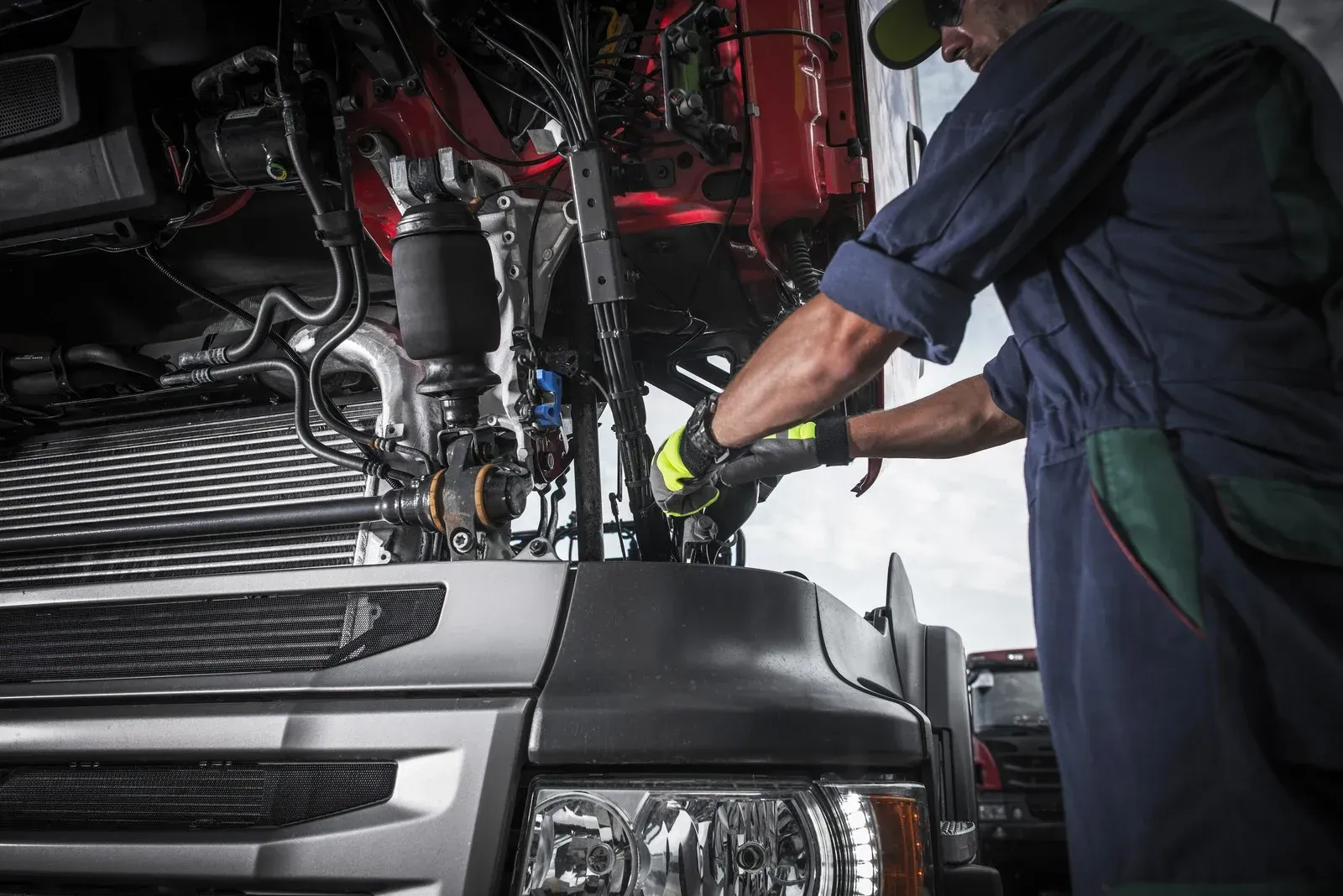
MOST FLEETS RUN TWO FUELS AND ONE BUDGET.
Gasoline units and diesel units age on separate clocks. Gasoline engines want spark plugs, ignition coils, and shorter oil intervals. Diesel engines want fuel filtration, particulate filter regeneration, and DEF that never runs dry. Operating both means two maintenance calendars, two parts lists, and a single budget that has to absorb whichever one comes due first.
One shop handling both takes the guesswork out of it. We track each vehicle by its engine, schedule it on its own interval, and keep the paperwork somewhere your fleet manager can actually pull it.
- Both fuel types handled under one roof
- Light-duty and heavy-duty units welcome
- Domestic and import vehicles serviced
- Licensed, insured, and family-owned
GAS AND DIESEL VEHICLES
DIESEL WANTS LONG PULLS, AND YOUR ROUTES DO NOT GIVE THEM.
Diesel engines are happiest under sustained load, where exhaust temperature climbs high enough for a particulate filter to finish burning off soot. Local delivery work does the opposite. Short hops between docks, long idles at loading bays, and stop-and-go traffic leave regeneration unfinished, and the filter packs up. We service those systems on the schedule your routes actually create, not the one a long-haul truck would follow.
MIXED FLEETS ARE THE NORM ACROSS SAN BERNARDINO COUNTY.
Warehouse and distribution work sets the duty cycle here. Operators running between Interstate 15 and Interstate 10, then out onto SR-60 and SR-91, typically pair gasoline vans for short city drops with diesel trucks carrying the heavier freight. Businesses in Ontario, Fontana, Upland, Chino, and Rialto bring us both on the same morning, because nobody ever sorted a delivery route by fuel type.
TWO FUELS, ONE SHOP, NO HANDOFFS.
Splitting a fleet between a gasoline specialist and a diesel specialist costs you twice: two intake conversations, two invoices, two record sets that never line up. We handle both, for business fleets only, with free pickup and delivery so your drivers stay on route and your vehicles wait in a gated 24/7 surveillance lot instead of on a public street. Would you rather chase two shops or hand us everything at once?
WHY CHOOSE US FOR GAS AND DIESEL FLEET VEHICLES.
NO SPLIT SCHEDULING
Booking a cargo van and a box truck for the same week no longer means two shops and two drop-offs. One request covers the whole fleet, and we sequence the work from there.
ONE SERVICE HISTORY
Every unit lives in a shared record set, so mileage, repairs, and intervals sit side by side. At year end, nothing you need is buried in another shop's filing cabinet.
RIGHT INTERVALS PER ENGINE
A gasoline van and a diesel truck get distinct service clocks instead of one averaged compromise. That stops you over-servicing the light units and under-servicing the ones doing the punishing miles.
FEWER MISSED SERVICES
Vehicles slip through the cracks when a schedule lives in two places. With one calendar covering both fuels, an overdue unit surfaces early instead of turning into a roadside failure.
SIMPLER FLEET APPROVALS
As an authorized service provider for Enterprise Fleet Management, Holman, Donlen, G.E. Capital, Fleetio, and Element Fleet Management, we process authorizations for both fuel types through the program channels you already use.
ROOM TO GROW THE FLEET
Adding a diesel truck to a gasoline fleet should not send you hunting for a second shop. Because we already service both, the new unit joins your existing calendar and record set.
WHAT WE SERVICE
OUR GAS AND DIESEL FLEET WORK
From a delivery van due for an oil change to a heavy-duty truck with a particulate filter loading up faster than it should, here is the work we take on across both fuel types.
GASOLINE
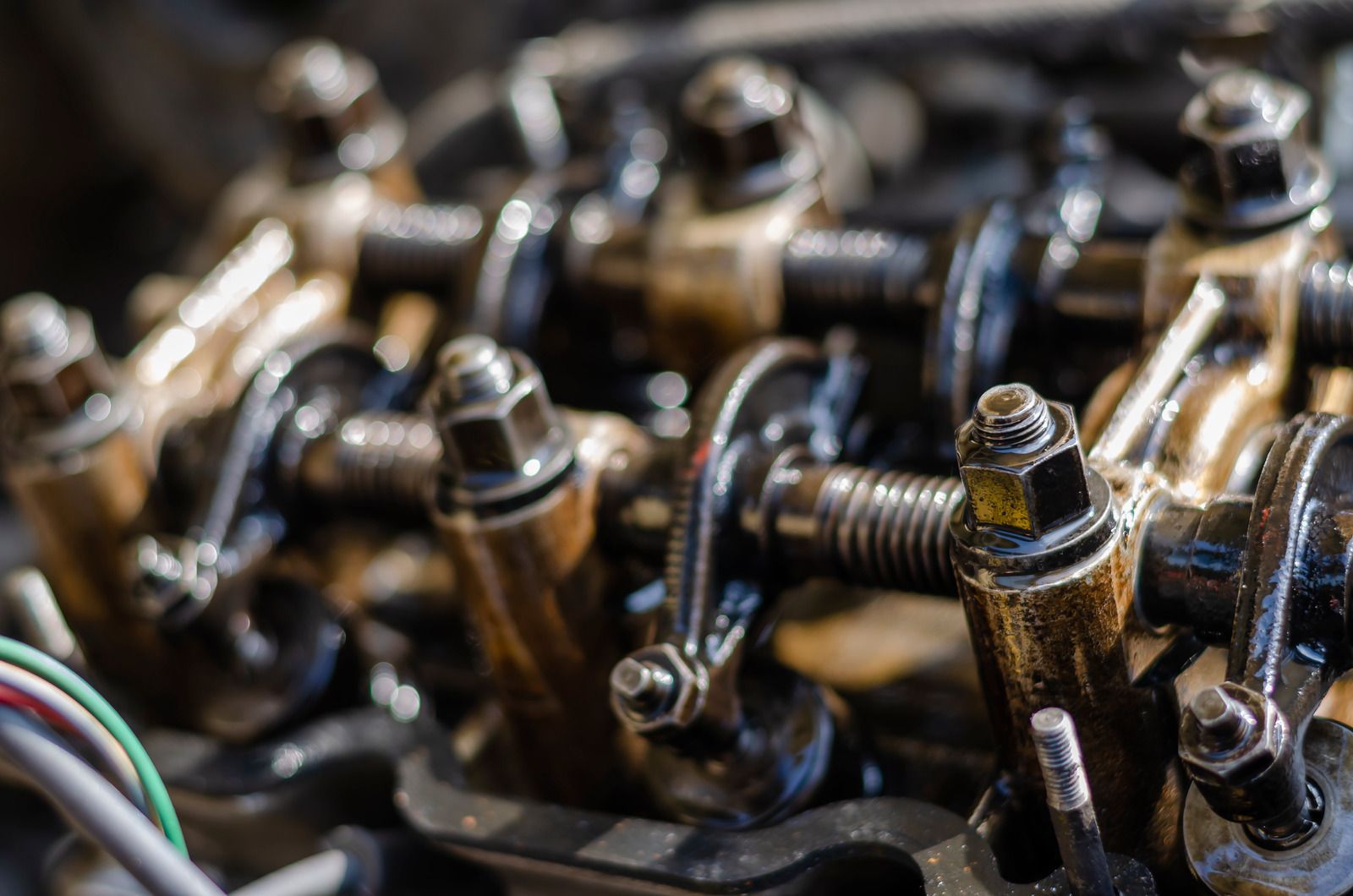
Gasoline Engine Service
Spark plugs, ignition coils, filters, fluids, cooling system repairs, and drivability diagnostics on passenger cars, company cars, and service vans. We work to the familiar 30-60-90 milestones and the general 5,000 to 7,500 mile oil guidance for light units.
DIESEL
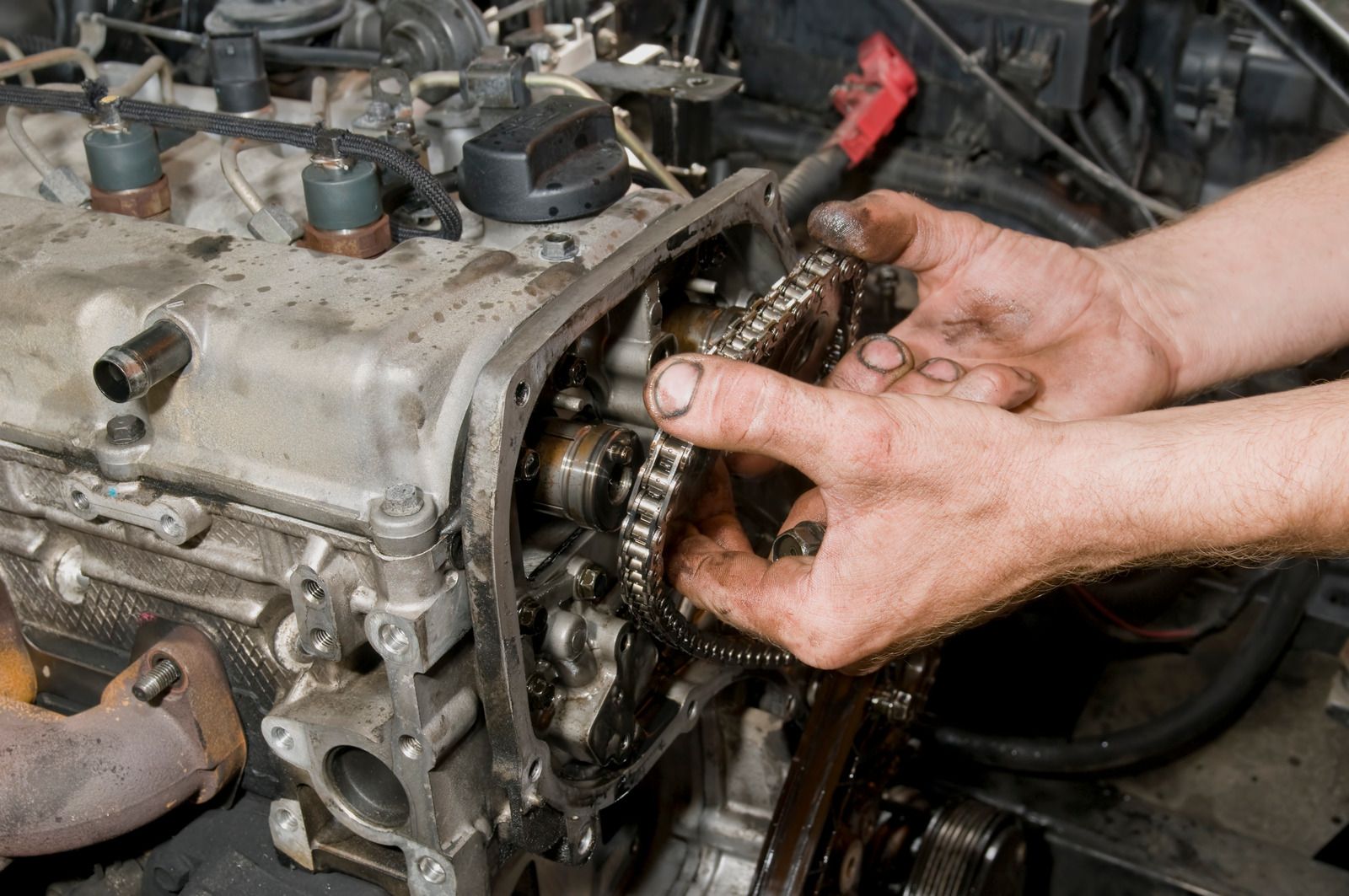
Diesel Engine Service
Fuel filtration, glow plugs, injector faults, turbo and charge-air concerns, cooling repairs, oil service, and aftertreatment work covering particulate filters, DEF systems, and EGR. We repair the components that decide whether an OBD emissions check passes or fails.
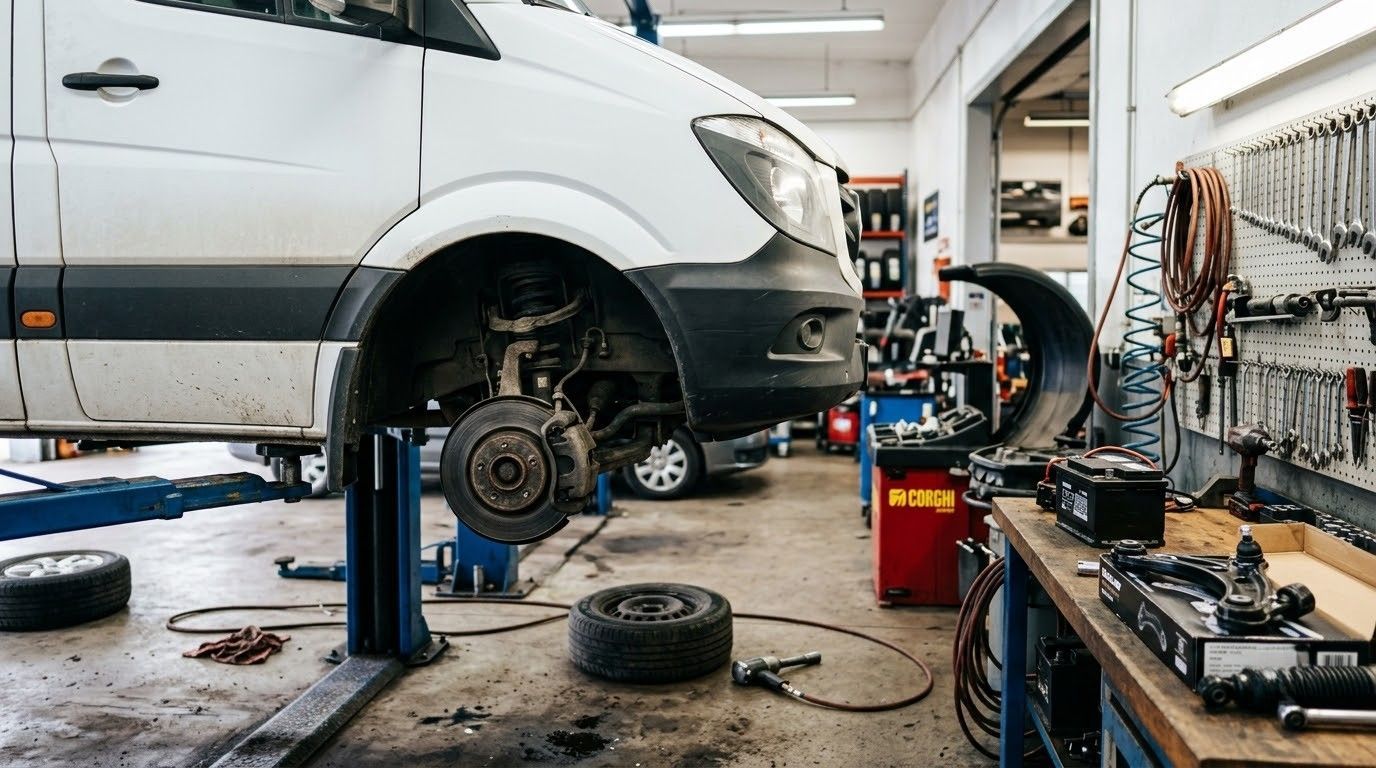
LIGHT DUTY
Light-Duty Truck and Van Service
Delivery vans, service vans, and light-duty trucks in either fuel: brakes, suspension, steering, batteries, electrical faults, tire service and replacement, and scheduled maintenance built around stop-and-go Inland Empire routes rather than highway mileage.
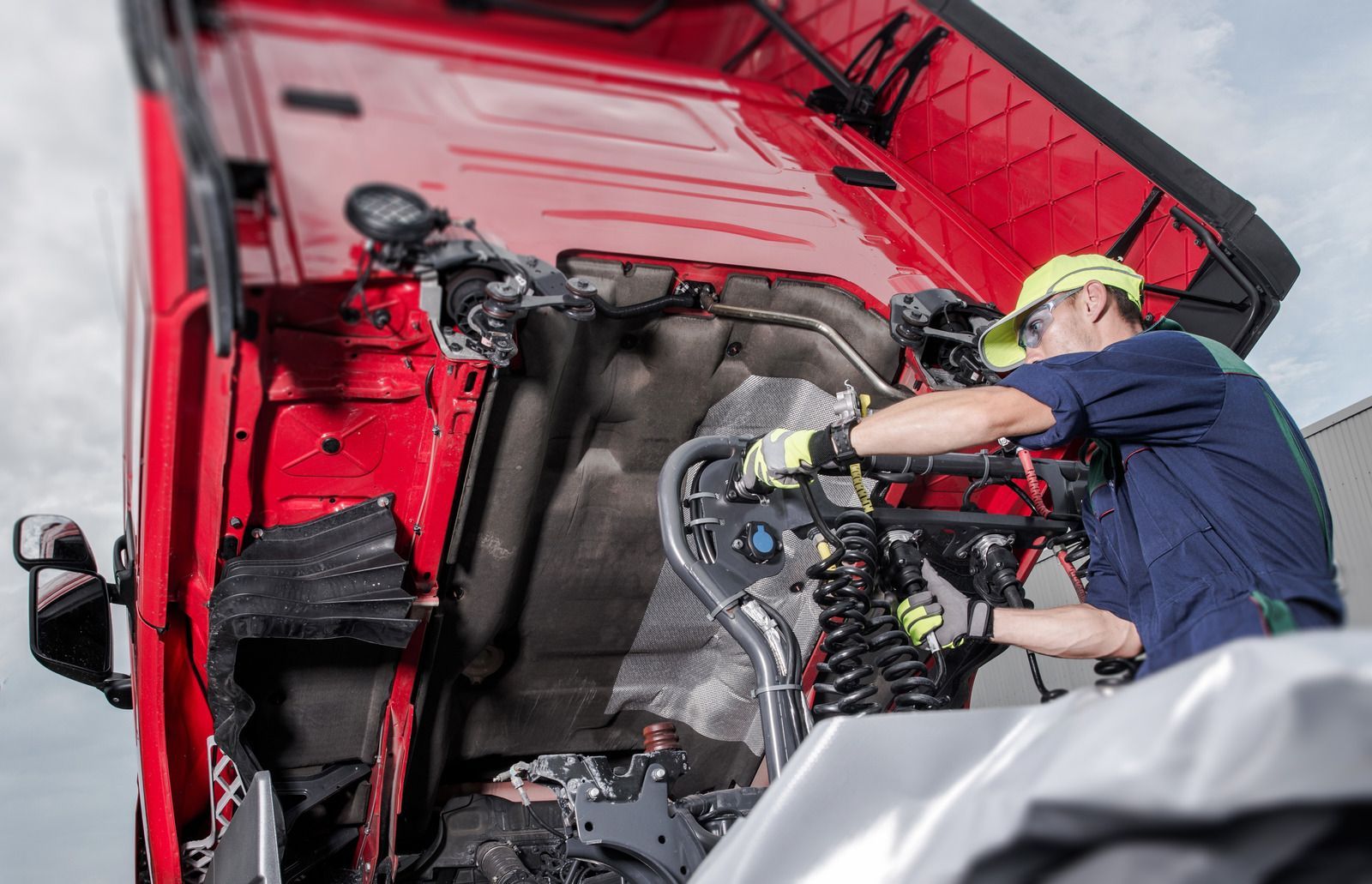
HEAVY DUTY
Heavy-Duty Truck Service
Bigger units carrying real weight get engine repairs, brake work, cooling system attention, electrical diagnostics, and aftertreatment service. That includes correcting the stored faults and incomplete readiness monitors that cause a truck to fail its emissions test.
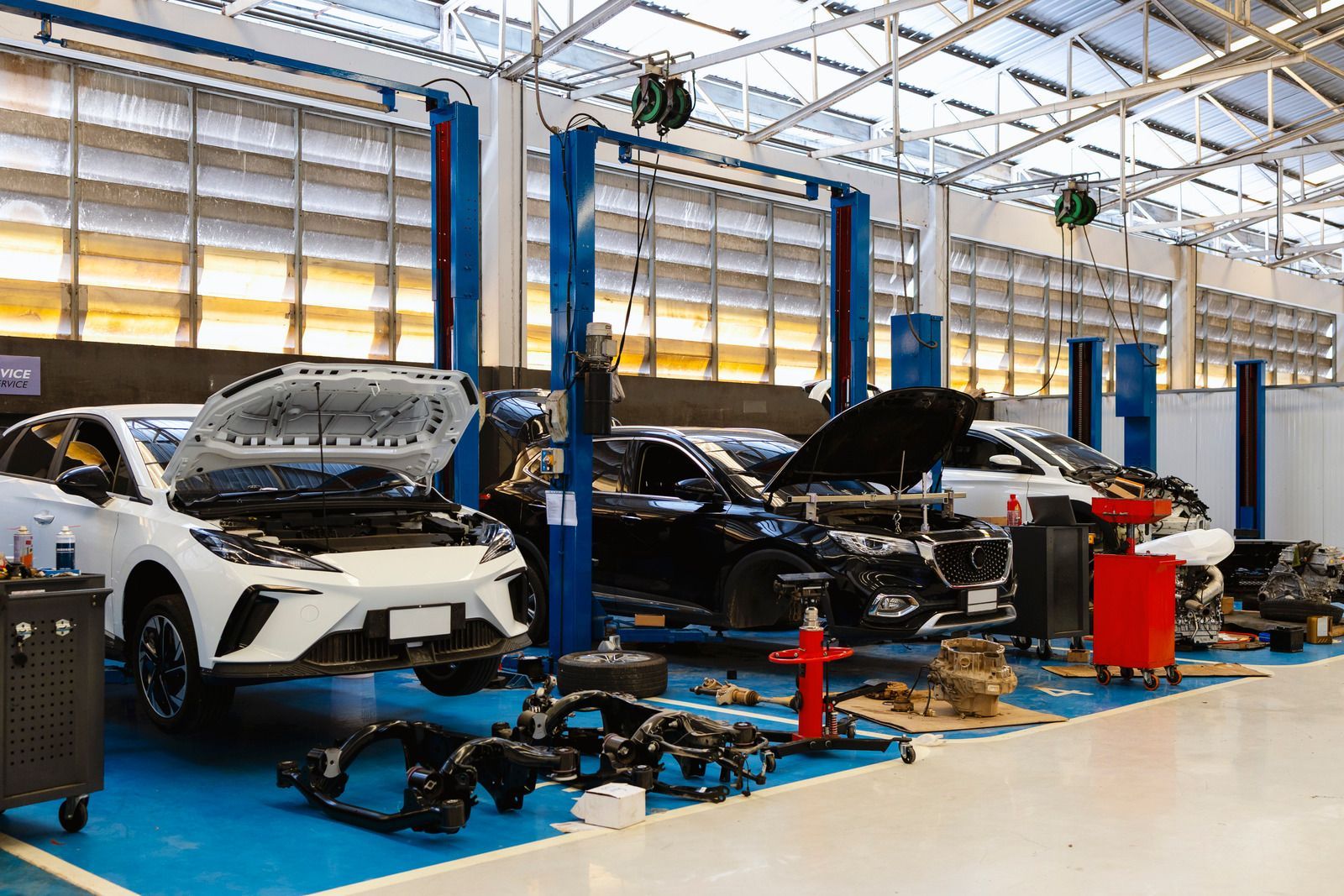
IMPORTS
Domestic and Import Vehicle Service
Whether your units were built here or overseas, they get the same treatment: correct fluids, correct parts, correct intervals. Domestic pickups and imported vans sit on one shop list, so nothing waits while you locate a specialist elsewhere.
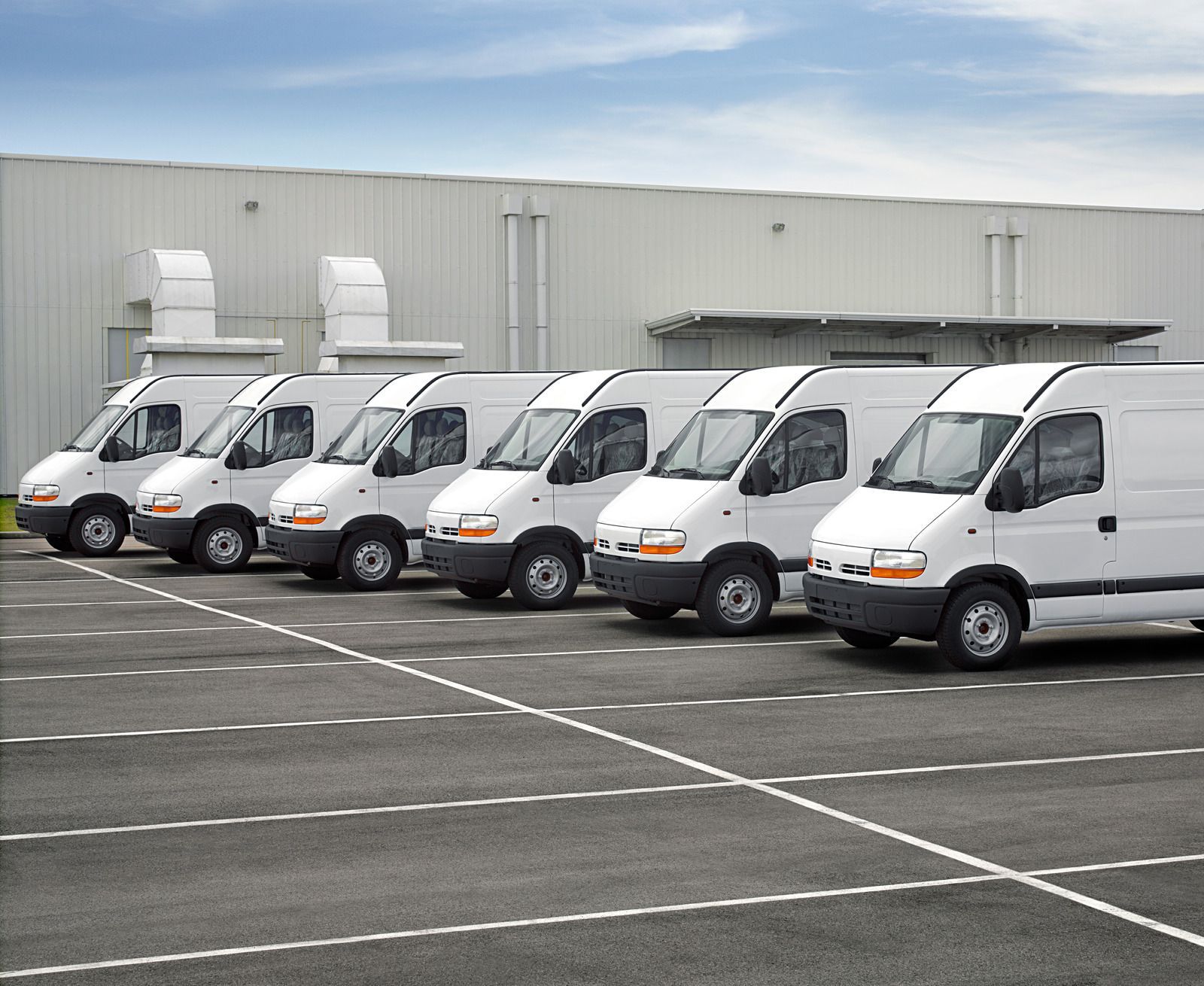
MIXED FLEETS
Mixed Fleet Service Programs
Programs built for operators running both fuels at once. We map every unit number to its own interval, group services so routes stay covered, and hand your manager a single schedule instead of two competing ones.
THE WORD ON OUR WORK
WHAT OUR CLIENTS SAY.
What fleet managers tell us most often is relief that the gasoline vans and the diesel trucks finally stopped living on separate schedules. Praise usually lands on the pickup and return, on records that can be pulled without chasing anyone, and on a mixed fleet that stopped feeling like two problems.
Common Questions
FREQUENTLY ASKED QUESTIONS.
Below are the questions fleet operators ask us most about running gasoline and diesel units side by side, from service intervals and particulate filters to whether a mixed fleet is genuinely harder to maintain.
What Is the Difference Between Gas and Diesel Engine Maintenance?
Gas engines center on ignition parts such as spark plugs and coils, while diesel service centers on fuel filtration, aftertreatment, and DEF. Diesel units also carry heavier oil and filter demands because of the loads they pull daily.
How Often Should a Diesel Fleet Vehicle Be Serviced?
Intervals depend on load, idle hours, and route length rather than mileage alone, so hard-working units come due sooner. Fleet Service Me sets a per-unit schedule for operators in Rancho Cucamonga, CA instead of applying one blanket number.
What Is DPF Regeneration?
Regeneration is the process where a diesel particulate filter burns off collected soot at high exhaust temperature and clears itself out. It happens passively on long runs, actively through engine controls, or manually at a shop.
Why Do Short Trips Cause Diesel Problems?
Short delivery runs never let exhaust temperature climb high enough to complete a regeneration cycle, so soot keeps building in the filter. Repeated interruptions lead to restriction, warning lights, and eventually reduced power.
What Is DEF and How Often Does It Need Topping Up?
DEF is diesel exhaust fluid, a urea solution injected into the exhaust stream to cut nitrogen oxide emissions. Consumption tracks fuel burn, so a loaded unit needs topping up far more often than a lightly worked one.
Do Diesel Engines Last Longer Than Gasoline Engines?
Diesels use heavier internal components and generally reach higher mileage before major work, but only with consistent servicing. Neglected fuel filtration and aftertreatment will finish a diesel well ahead of a properly maintained gasoline engine.
What Causes Black Smoke From a Diesel Exhaust?
Black smoke means unburned fuel, usually traced to a clogged air filter, failing injectors, a turbo problem, or an EGR fault. Treat it as a diagnostic starting point, not something to keep driving through.
Is a Mixed Gas and Diesel Fleet Harder to Maintain?
Only when the two fuel types are scheduled separately. Fleet Service Me services both under one roof in Rancho Cucamonga, CA, so a mixed fleet runs on a single calendar with one shared set of records.
HOW WE WORK
FROM FUEL TYPE TO FINISHED SERVICE, HERE IS HOW.
STEP 01
List Every Unit and Its Fuel Type
Send us the fleet roster with unit numbers, engines, and current mileage. We record what you actually run, gasoline or diesel, light-duty or heavy-duty, so nothing gets serviced on a plan built for a different vehicle.
STEP 02
Match Each Engine to Its Own Interval
Each vehicle gets an interval shaped by its engine, its load, and its route length. Light gasoline vans follow the general 5,000 to 7,500 mile oil guidance, while diesel trucks are set by duty cycle and aftertreatment condition.
STEP 03
Group Vehicles So Routes Stay Covered
Nothing comes into the shop until we know the route survives without it. We stagger units into groups, book them across separate days, and collect and return them ourselves so your drivers are never left waiting.
STEP 04
Perform the Service on Either Fuel
Work happens on the date we agreed to, with priority booking for fleet clients and fast turnaround. Whether the unit is a gasoline sedan or a diesel truck, it goes through our bays under one guarantee.
STEP 05
Log the Work Against the Unit Number
Records go against the unit number, never a name scribbled on a ticket. You get detailed service history showing what was done and at what mileage, so the following interval is already calculated when it arrives.
STEP 06
Hand Back One Schedule for Both Fuels
You leave with a forward calendar covering the gasoline units and the diesel units together, including what falls due next and roughly when. Add a vehicle later and it drops straight into the same running plan.